Dec 2018
12Tree Investment-Col La Paz National Co. established

| Location | Puerto Carreno, Vichada, Colombia |
| Status | Active |
| Stage | Implementation |
| Program Area (ha) | 2,371.35 |
| Reductions/Removals (Total VCU MR1) | 182,876 tCO2e |
| Program Type | ARR Harvest |
| Blue Carbon/Peatland | – |
| Market Standard | VCS 4.7, CCB 3.1 |
| Methodology | VM0047 |
| Program Start | 2018 |
| 1st Verification | 2025 |
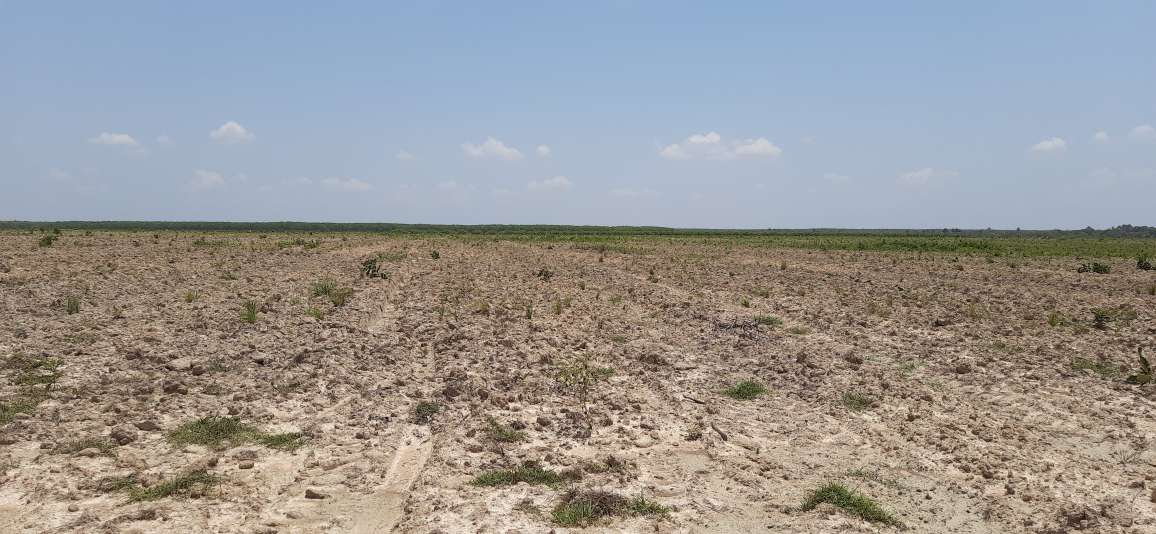
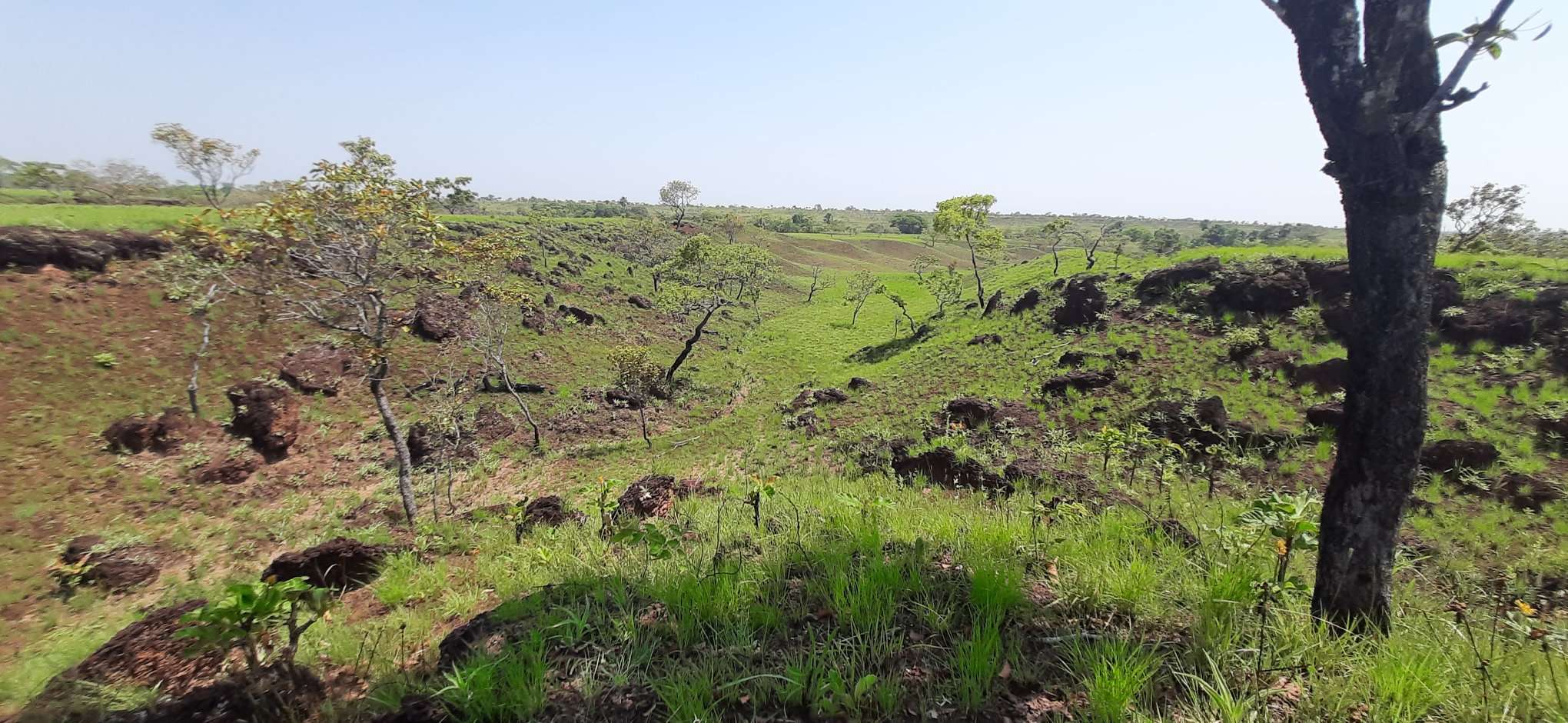
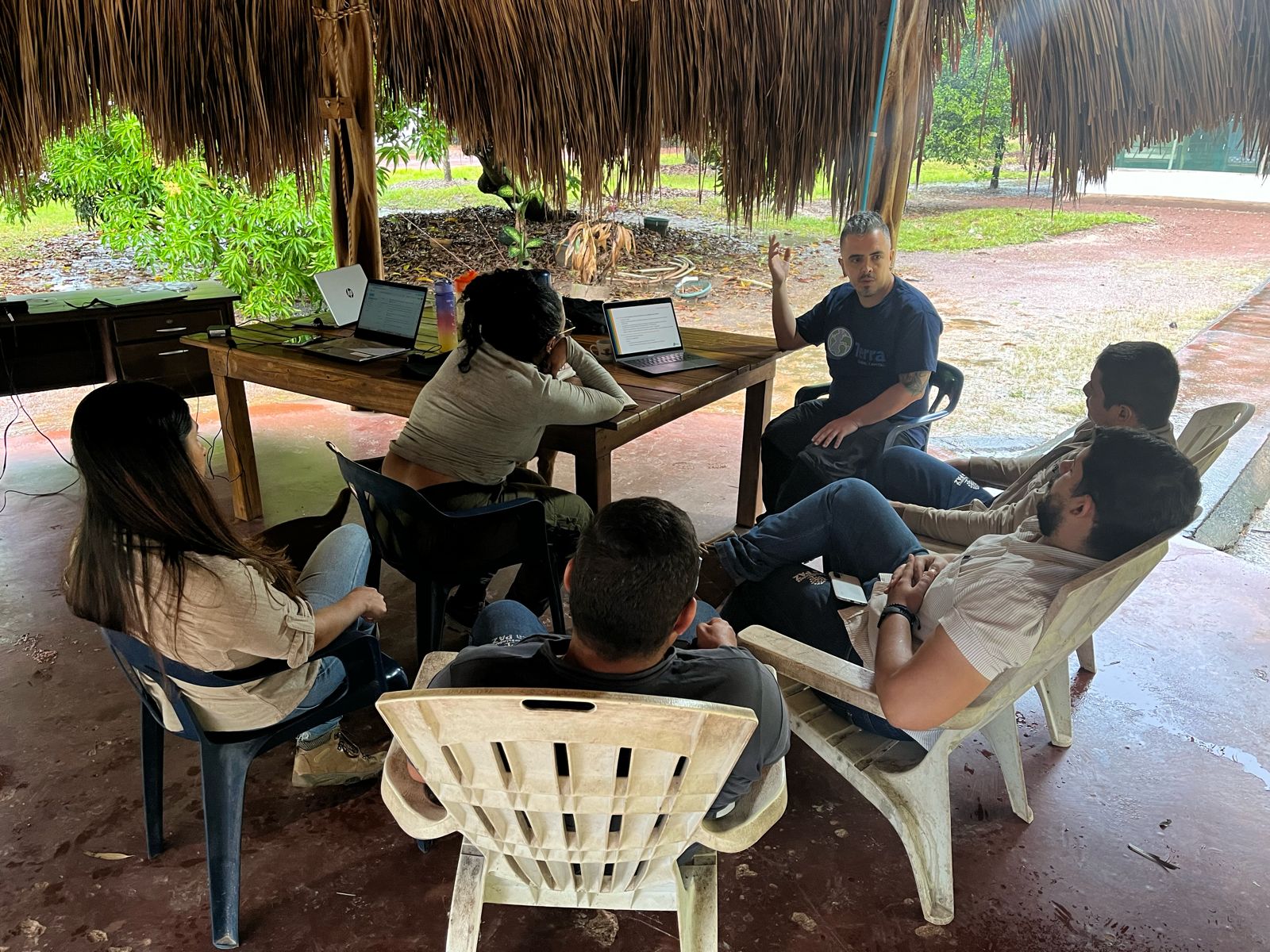
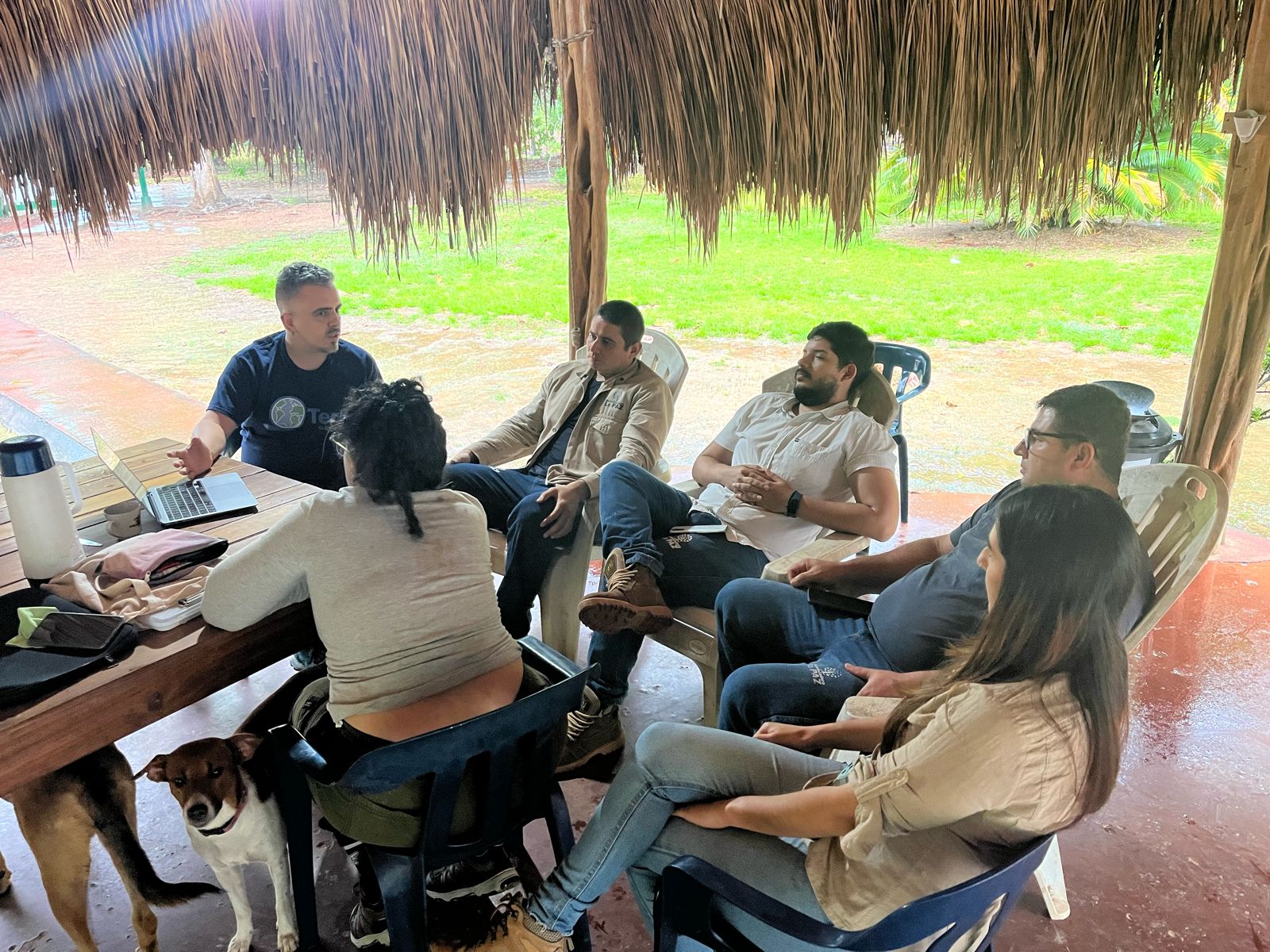
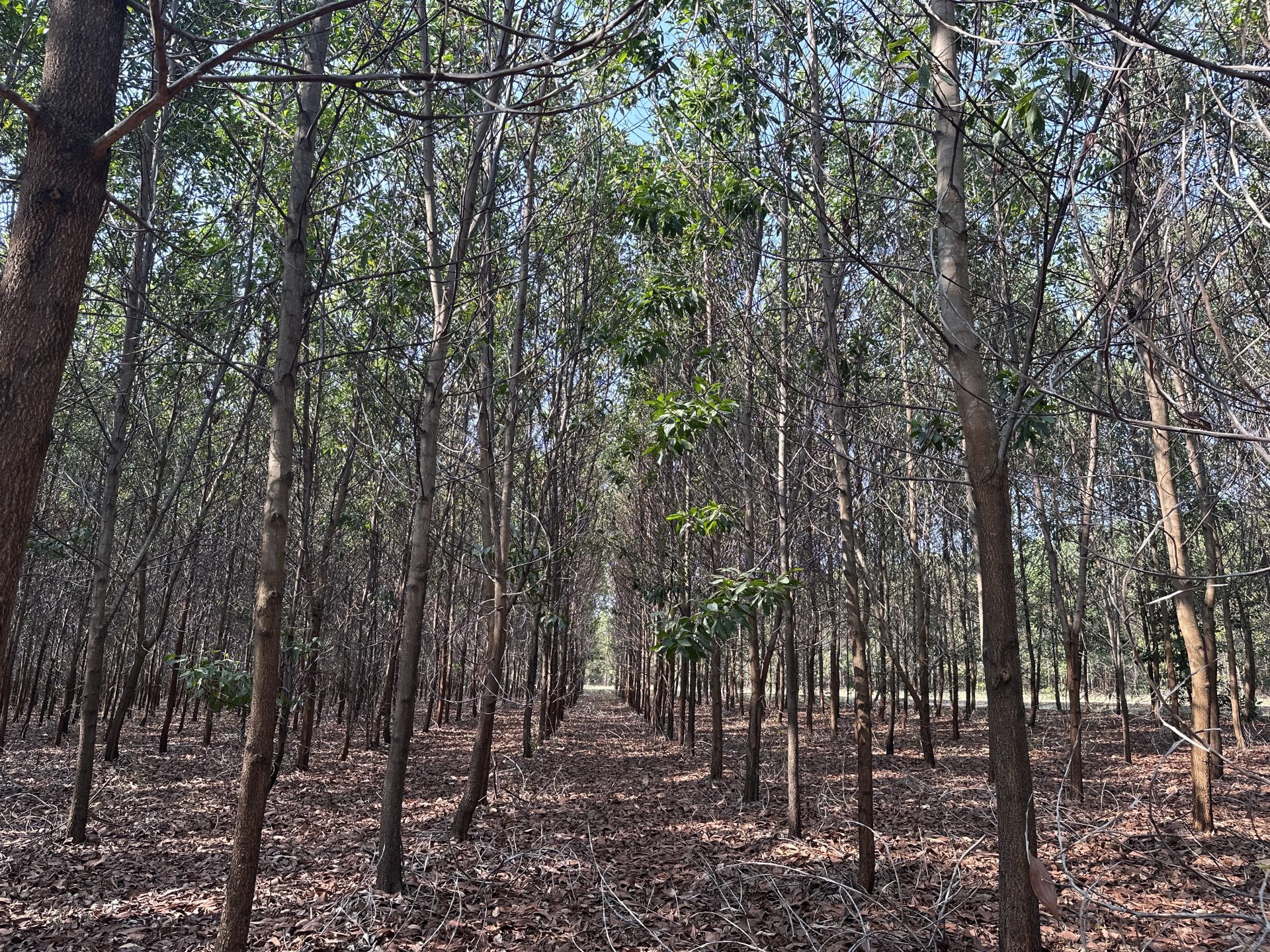
Finca La Paz II is a pioneering large-scale reforestation initiative in Puerto Carreño, Vichada, implemented by Col La Paz and supported by investor 12Tree. The Program rehabilitates degraded cattle pastures through tree planting, sustainable soil management, and regenerative agroforestry.
Key Program Components:
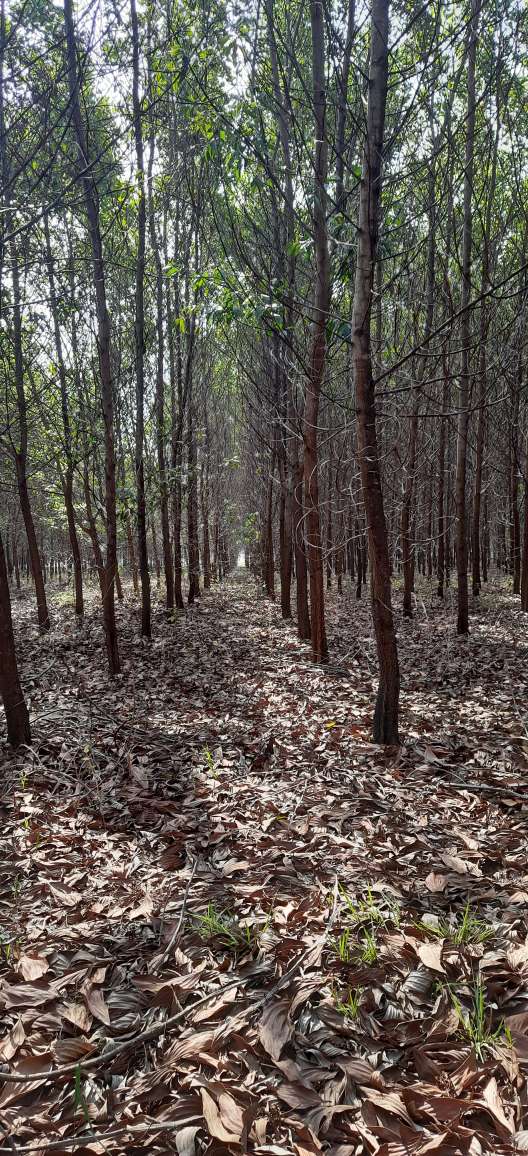
Reforestation and Restoration: The first planting phase covers 2,371.35 hectares with Acacia mangium, a nitrogen-fixing species that restores soil fertility. Subsequent rotations introduce Pine and Eucalyptus to diversify the ecosystem and maximize environmental benefits
Sustainable Practices: Adopts regenerative, climate-smart methods with minimal agrochemical use and strong soil conservation. Finca La Paz II forms part of a wider 15,000-hectare landscape-level reforestation effort
Climate Impact: Over 53 years, the Program is expected to reduce and remove approximately 392,667 tCO₂e, contributing significantly to national mitigation targets
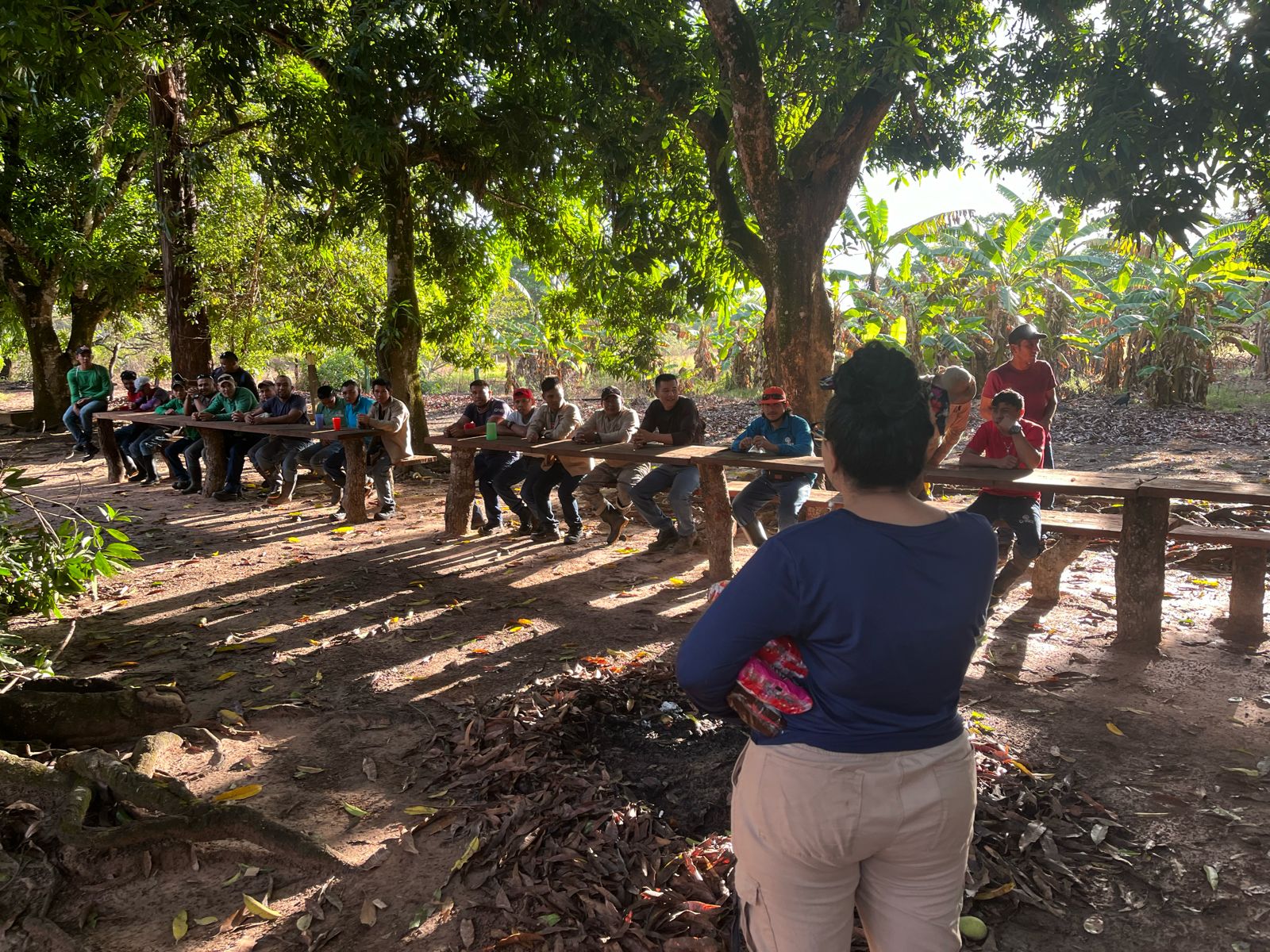
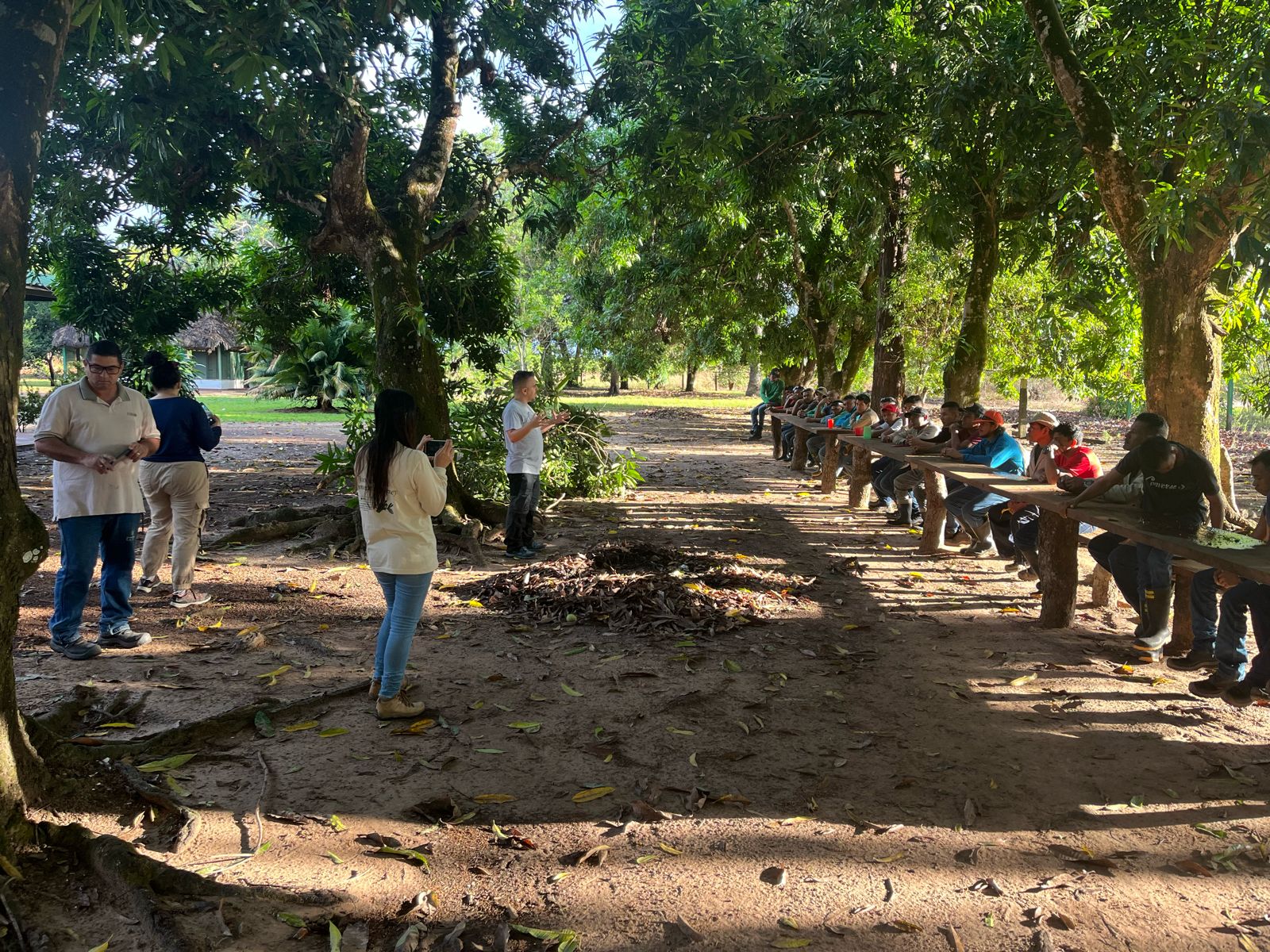
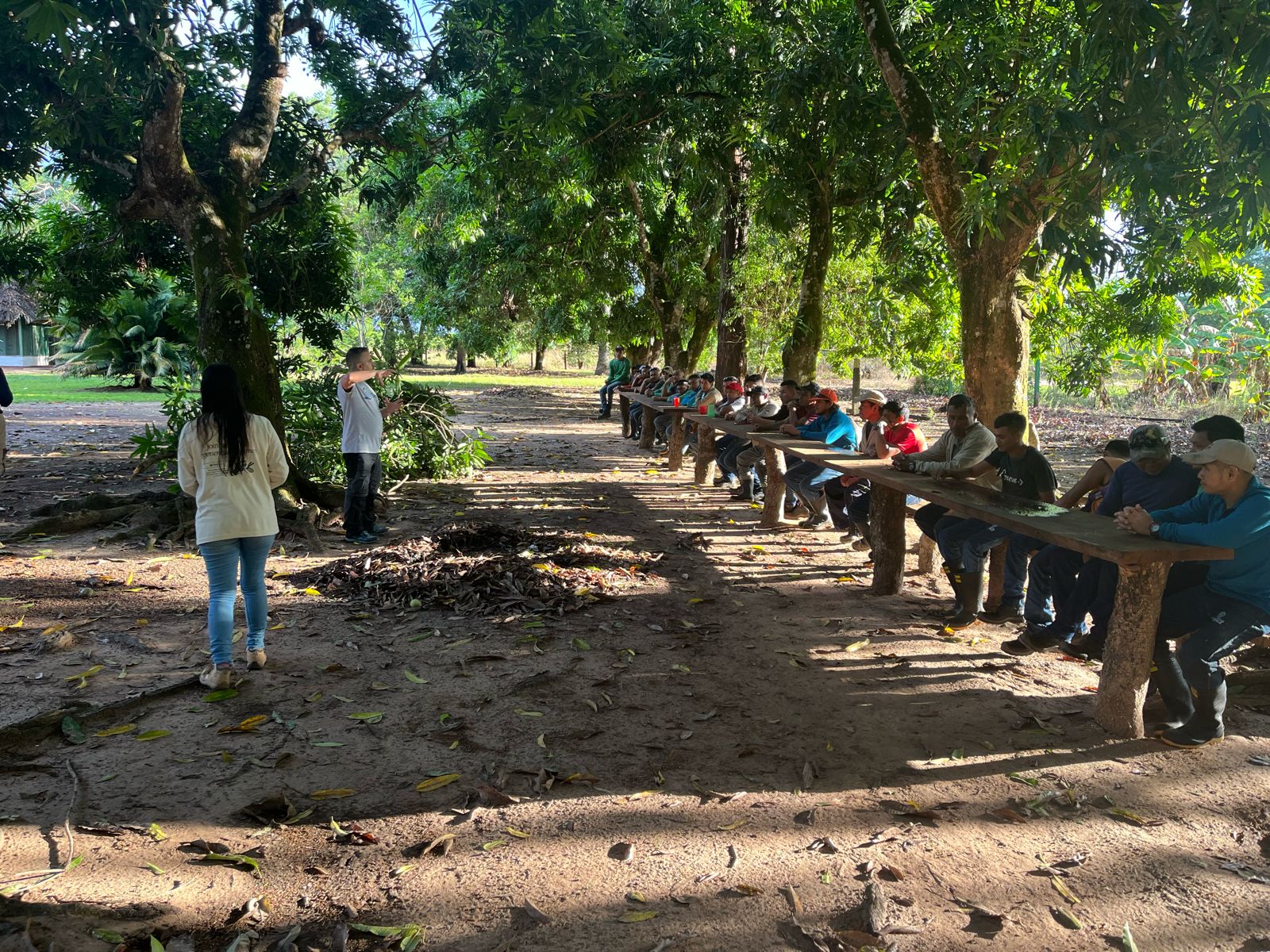
Community Employment: Employs 13–23 full-time workers under long-term contracts with daily meals, on-site accommodation, and performance-based incentives
Biodiversity Integration: Maintains natural gallery forests and morichales within project boundaries to improve habitat connectivity and support local wildlife
Indicator: # hectares established with forestry systems
This outcome measures the implementation of climate-smart practices through the number of hectares established under forest systems. The goal is to enhance environmental sustainability, improve soil health, and increase carbon sequestration by expanding regenerative forest landscapes.
Key Actions:
Establish mixed-species plantations combining Acacia mangium, Eucalyptus pellita, and Pinus caribaea to restore soil fertility and ecosystem resilience.
Apply low-input, regenerative techniques that minimize agrochemical use and promote organic nutrient cycling.
Maintain firebreaks, wind barriers, and natural vegetation buffers to reduce fire risk and erosion.
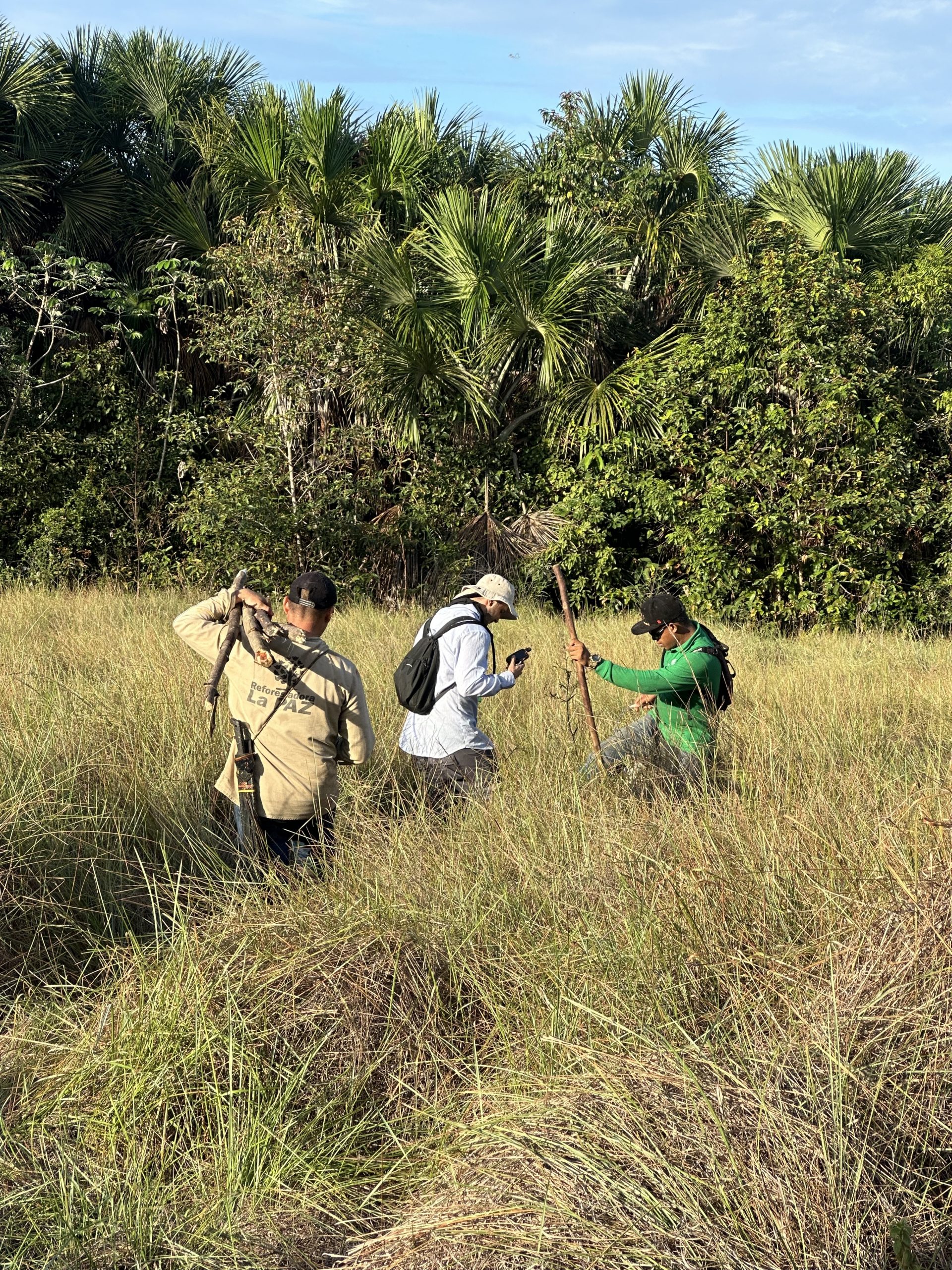
Monitor forest growth, carbon storage, and soil recovery to ensure long-term sustainability.