Jan 2023
Collaboration Agreement
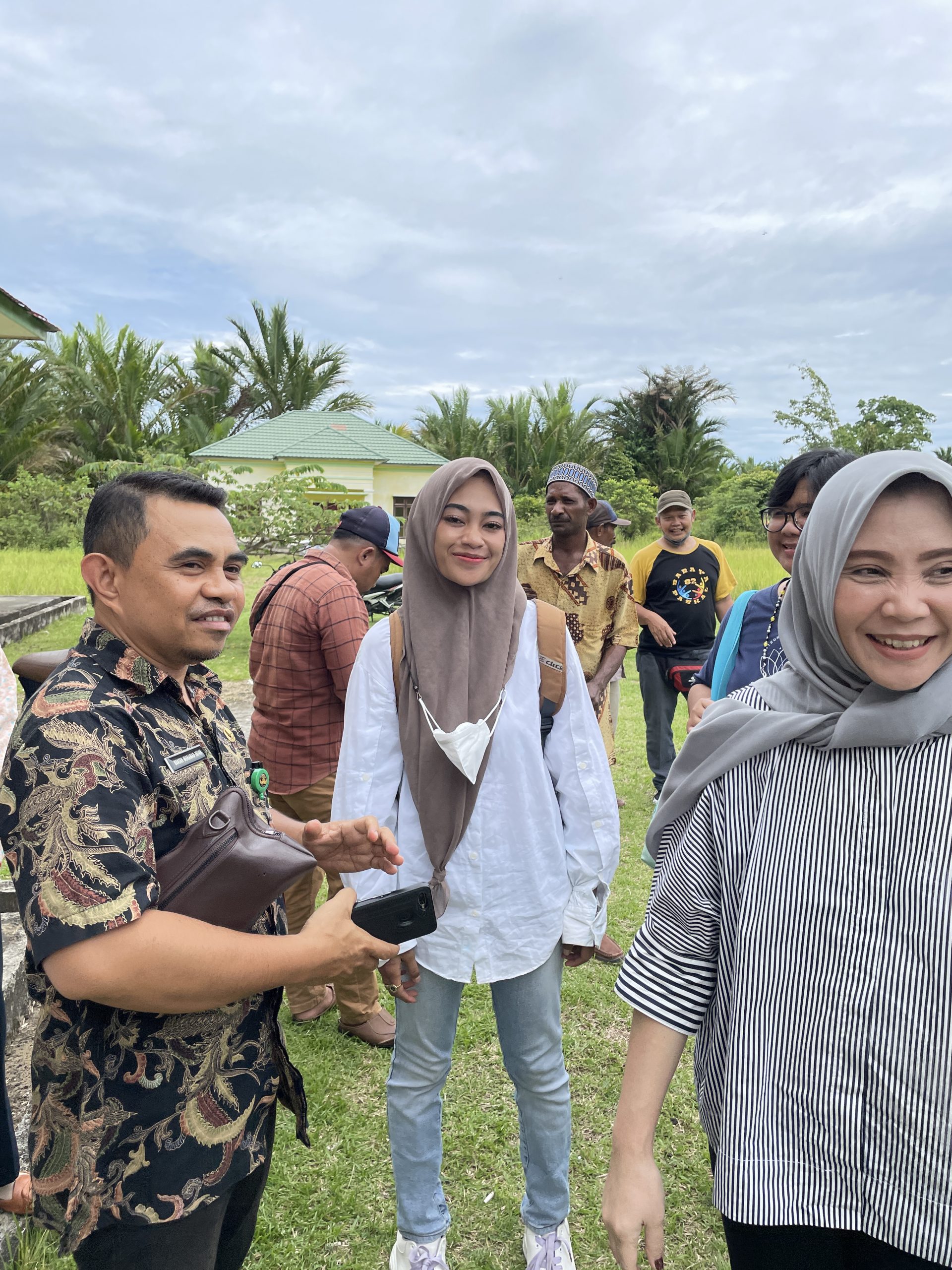
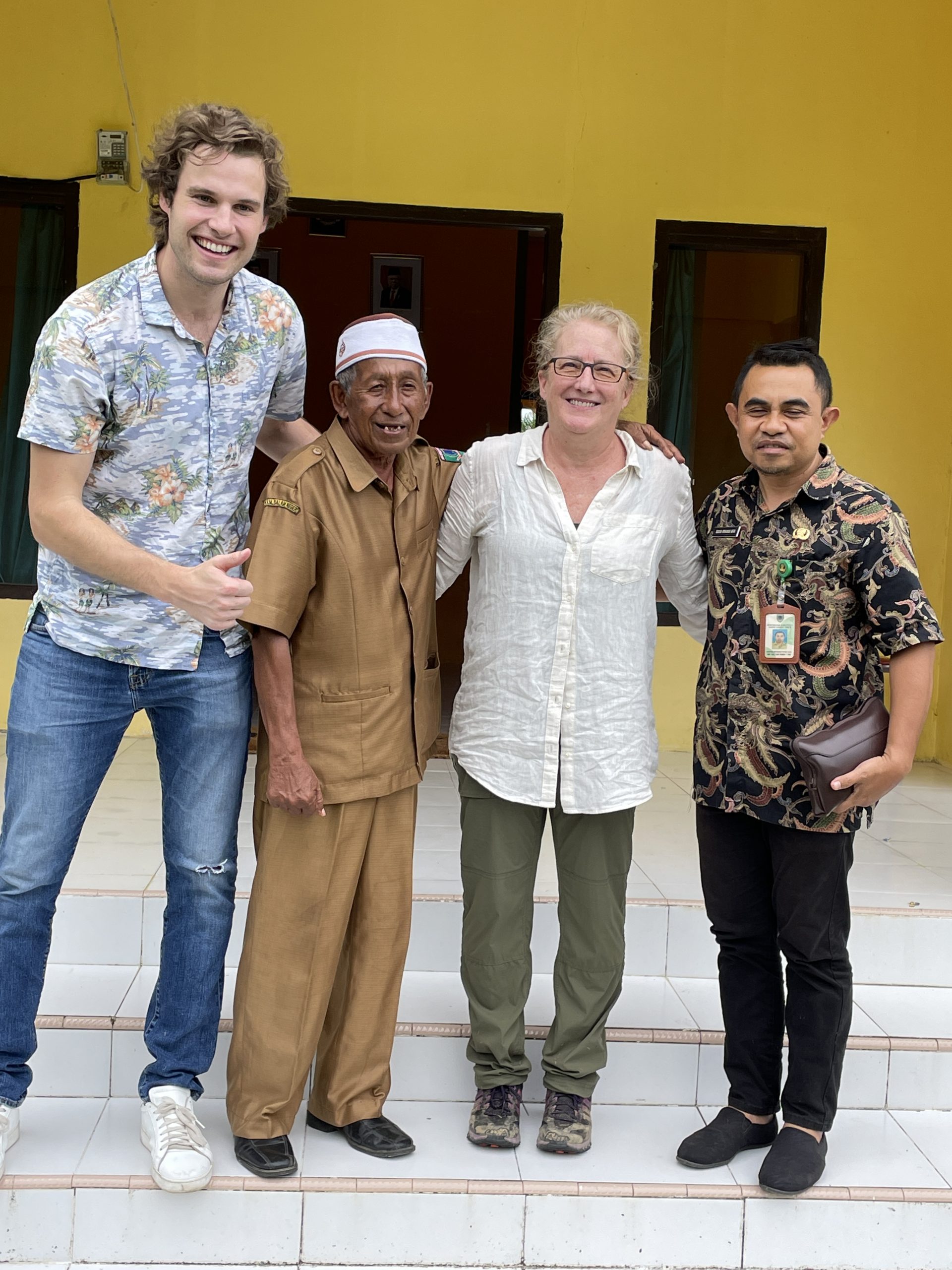
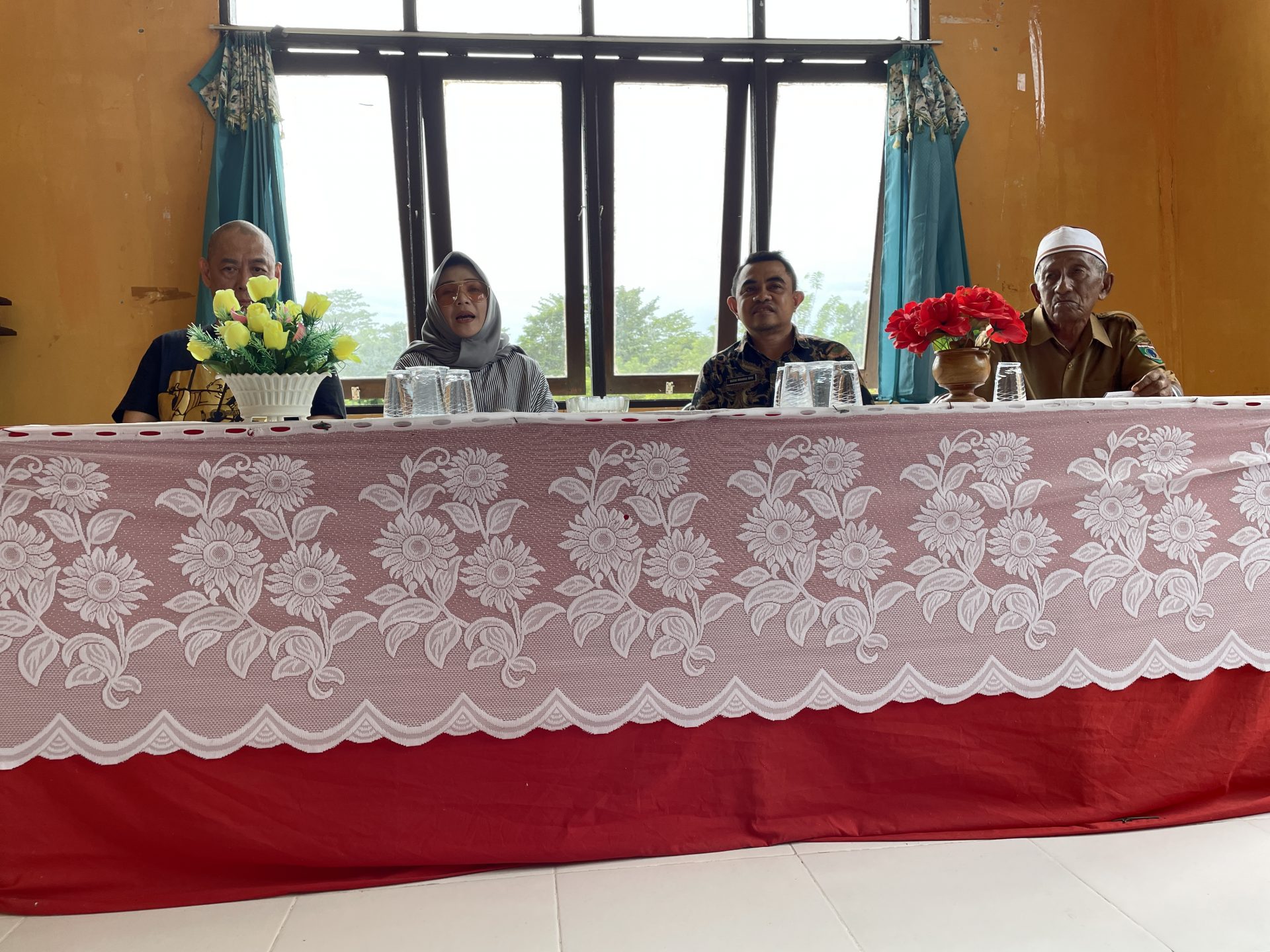
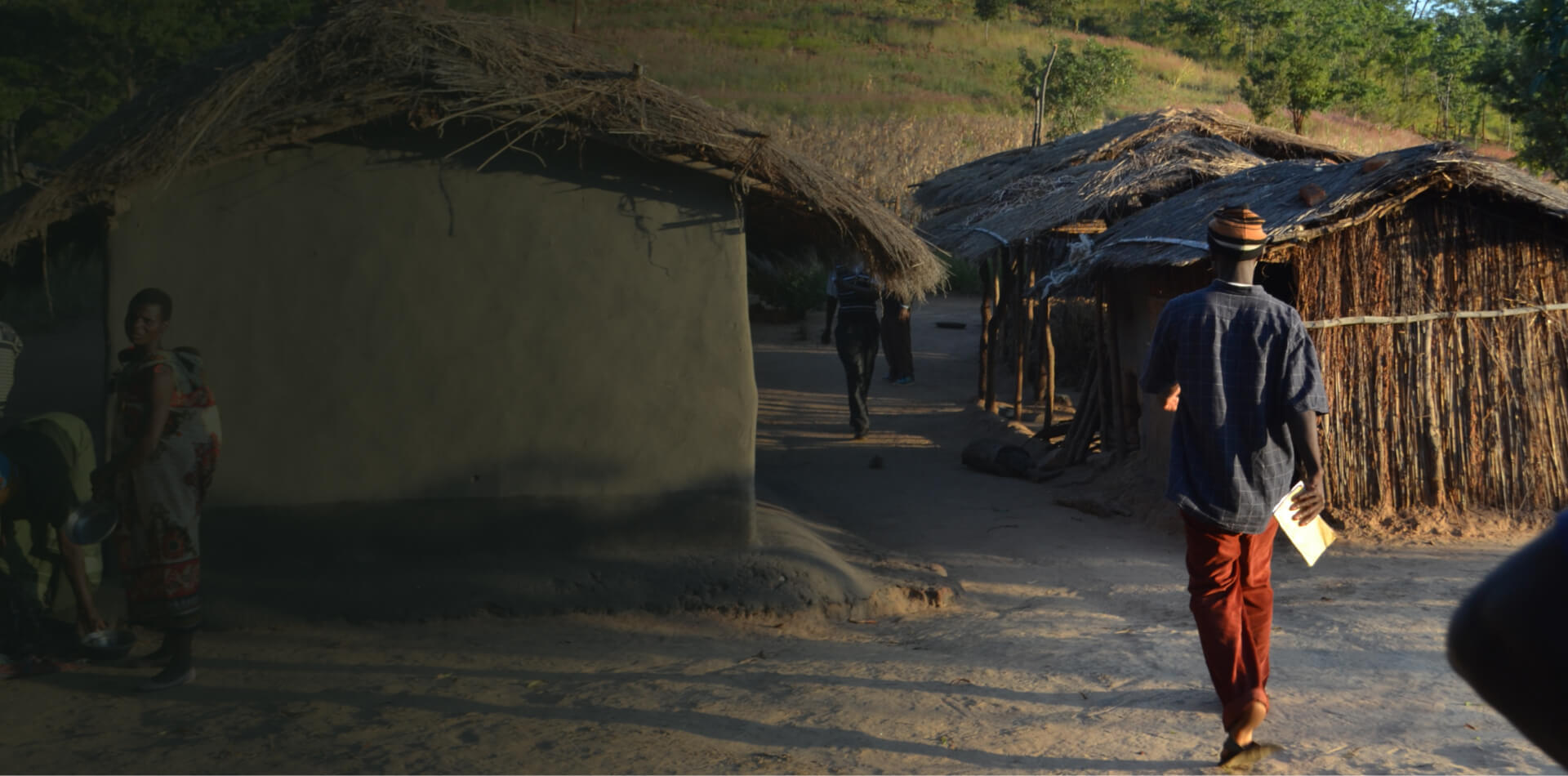
Signature of Collaboration Agreement with Mitra Bumma

| Location | West Papua, Indonesia |
| Status | Active |
| Stage | Investment Readiness |
| Program Area (ha) | 97,000 |
| Reductions/Removals (Avg Annual) | 182,154 tCO2e |
| Program Type | REDD+ APD |
| Blue Carbon/Peatland | – |
| Market Standard | VCS, CCB |
| Program Start | 2024 |
| 1st Verification | 2026 |
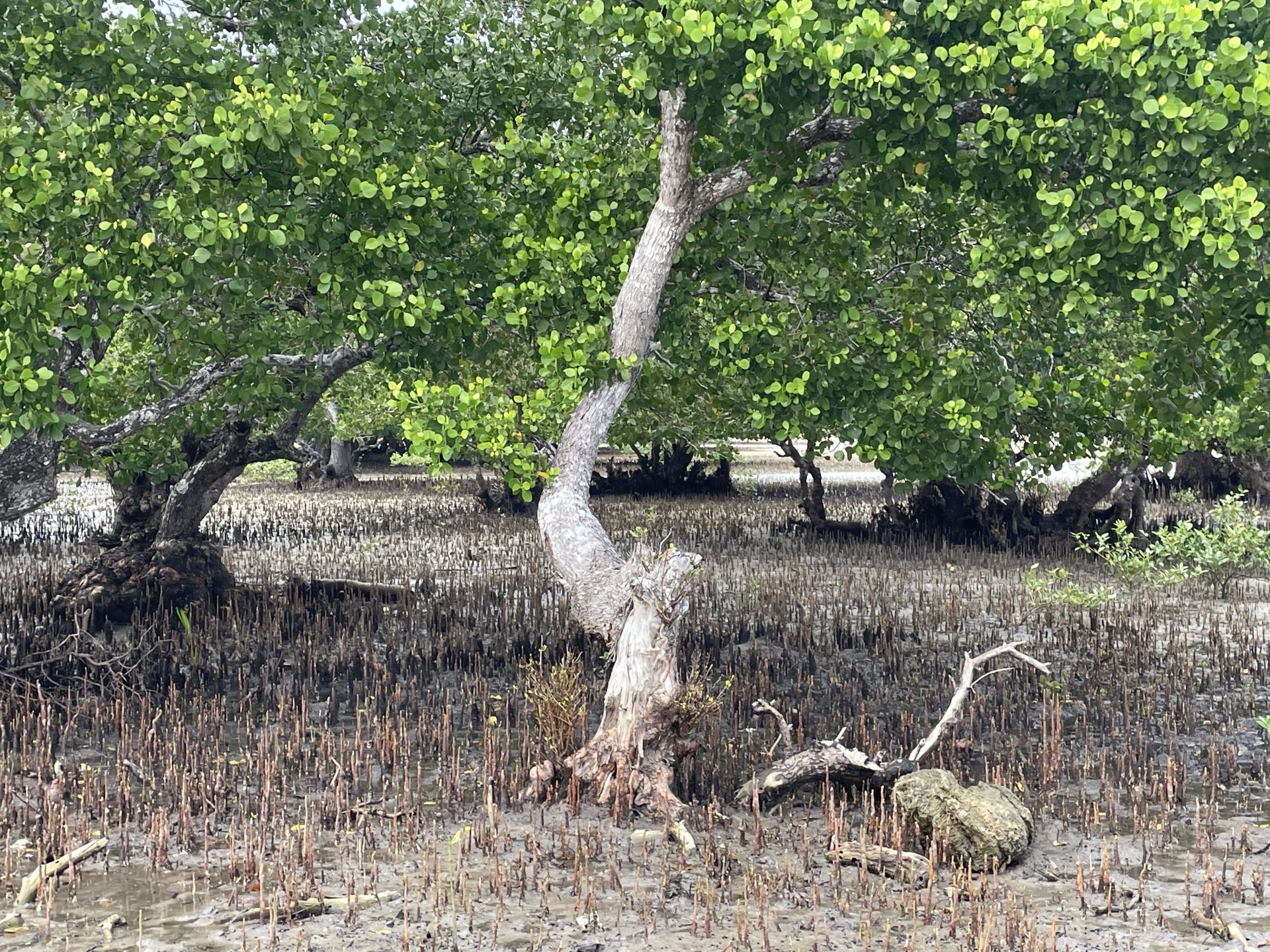
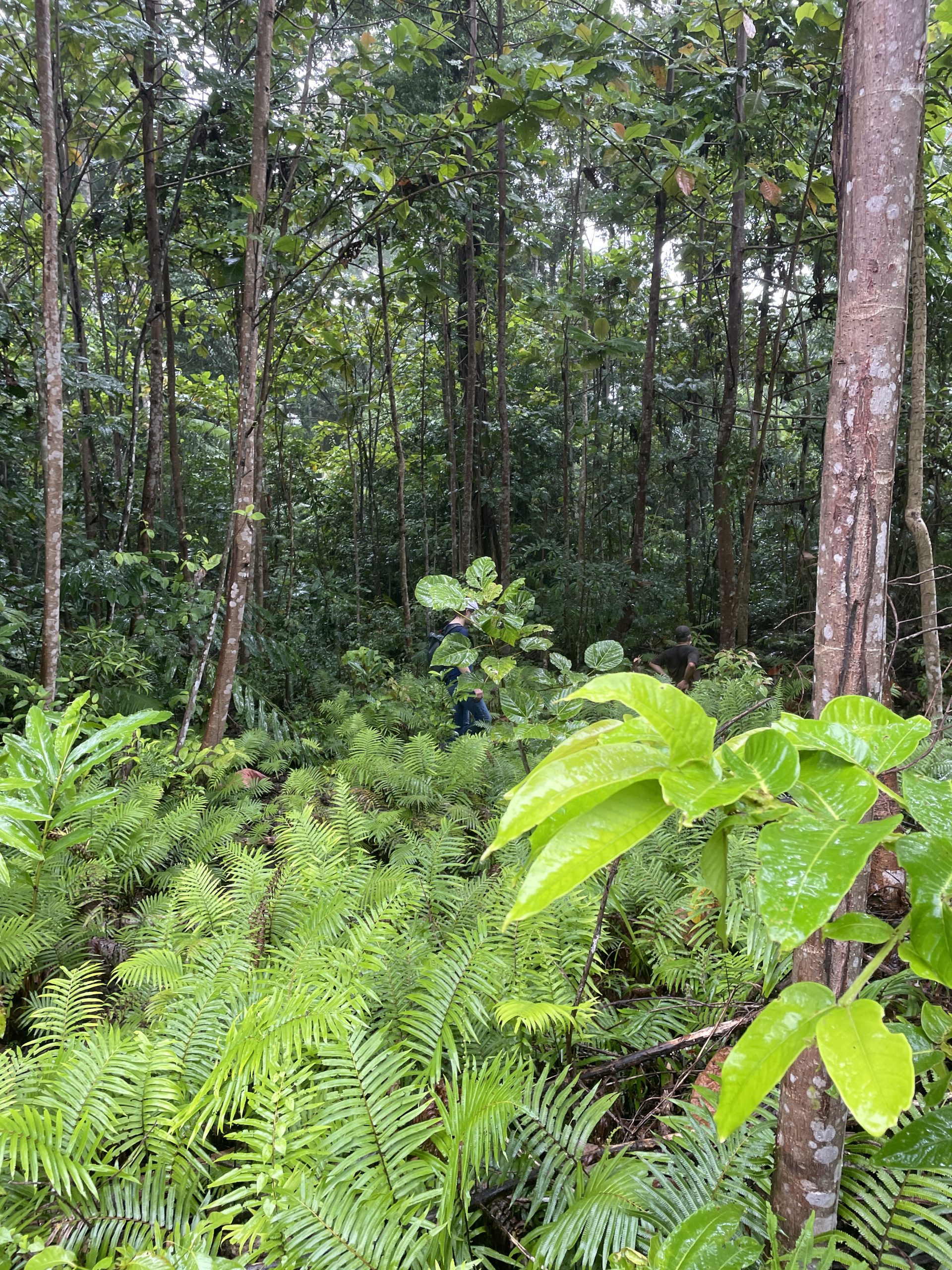
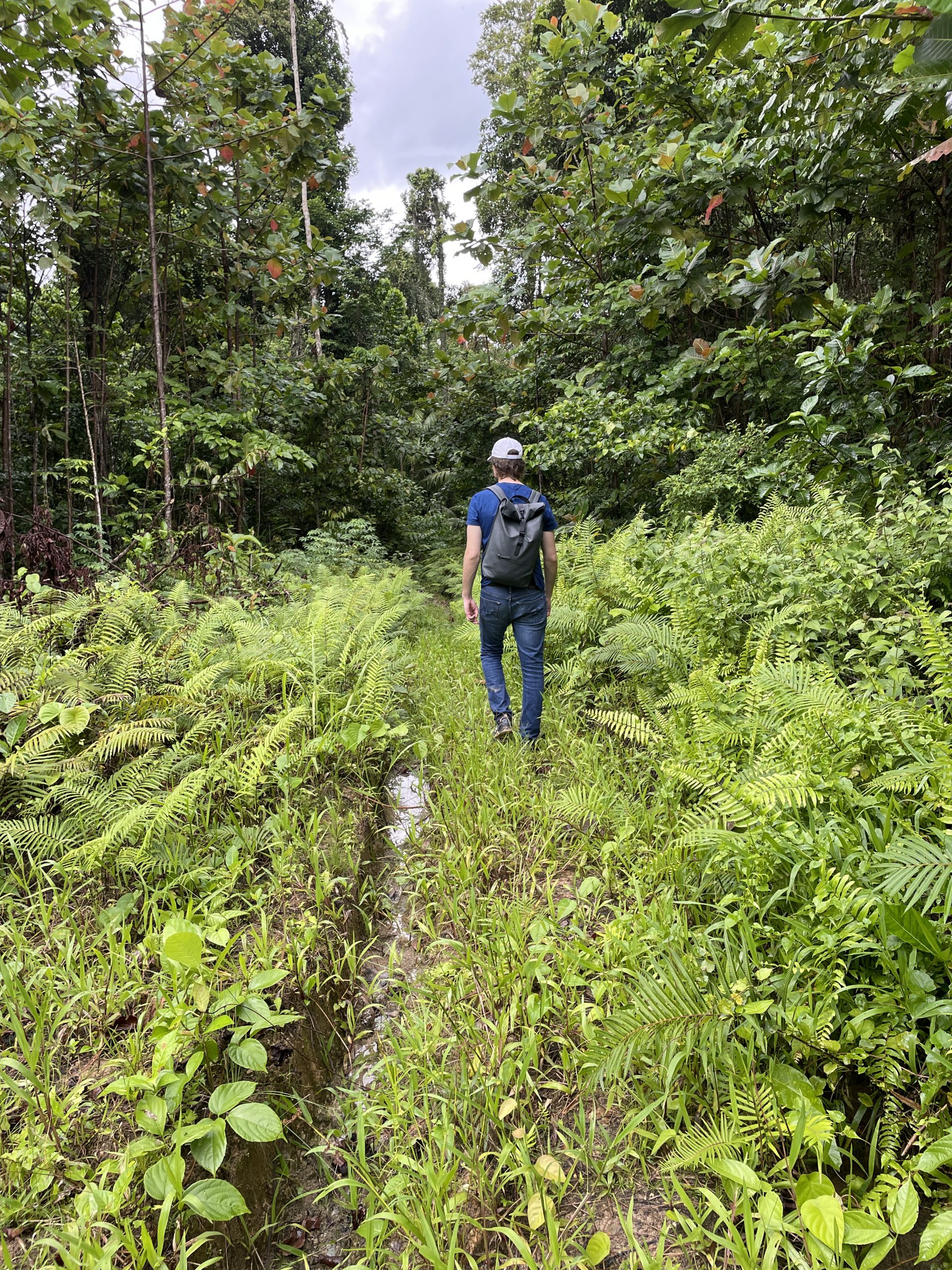
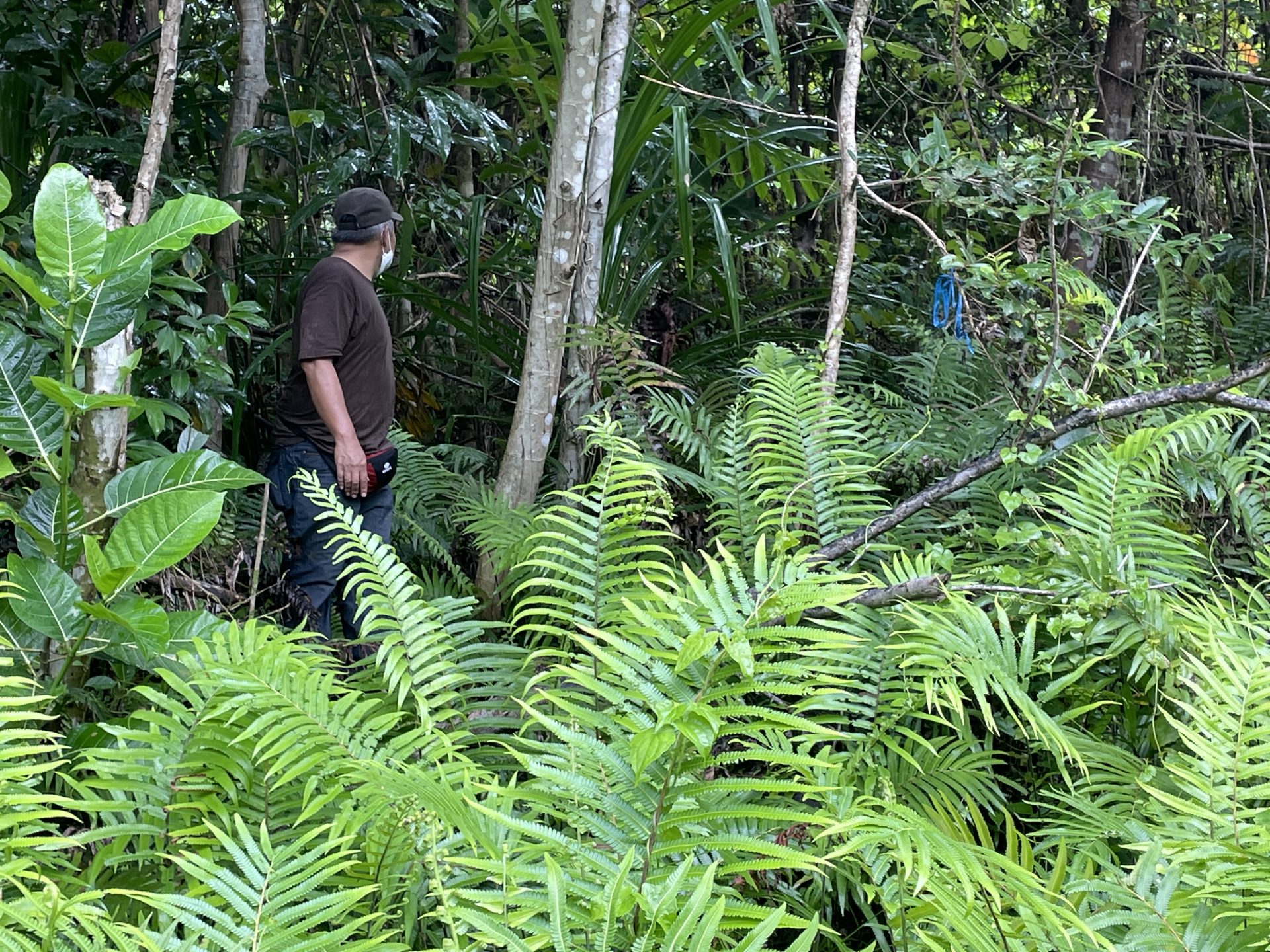
The West Papua REDD+ APD Program protects 97,155 hectares of tropical forest in Tanah Papua through Indigenous-led conservation, forest protection, and sustainable land management. The Program empowers the Namblong and Mare Peoples to secure legal recognition of their customary forests while preventing planned deforestation and restoring degraded areas.
The Namblong Indigenous Peoples live in Jayapura Regency, occupying 52,400 hectares of customary land with a population of around 10,000 people
Two oil palm concessions totaling 21,840 hectares remain active at the regency level and could still be acted on for conversion
The Namblong community will assert their right to have these concessions cancelled and apply for a Forest Utilization Business License (PBPH) to protect and manage their forests sustainably
The Program also addresses threats from small-scale customary logging concessions (IUPHHK-MHA) that have not yet been revoked by the provincial government
Activities include forest restoration, assisted natural regeneration, and the rehabilitation of areas cleared by previous plantation operations
Partnerships between Mitra BUMMA, Terra Global Capital, and the Ministry of Environment and Forestry support technical implementation, carbon certification, and Indigenous capacity-building
By securing customary land rights, restoring ecosystems, and creating sustainable livelihood opportunities, the Program provides a long-term pathway for conservation, climate action, and inclusive economic growth in Tanah Papua.
Supports legal recognition of customary forests through PBPH and IUPHHK-MHA licenses
Develops participatory management plans rooted in traditional zoning systems (Usu gardens, Mo Depang sago, Yano Sip settlements)
Installs boundary markers and holds community workshops to reinforce customary forest rules
Aligns Indigenous forest management with Indonesia’s national licensing and conservation frameworks
This activity secures tenure, strengthens Indigenous governance, and establishes the foundation for sustainable forest stewardship.