Program Details
| Location | Zanzibar, Tanzania |
| Status | Active |
| Stage | Investment Readiness |
| Program Area (ha) | 71,000 |
| Reductions/Removals (Avg Annual) | 265,526 tCO2e |
| Program Type | JREDD+ |
| Blue Carbon/Peatland | Blue Carbon |
| Market Standard | VCS, CCB |
| Program Start | 2025 |
| Expected 1st Verification | 2027 |
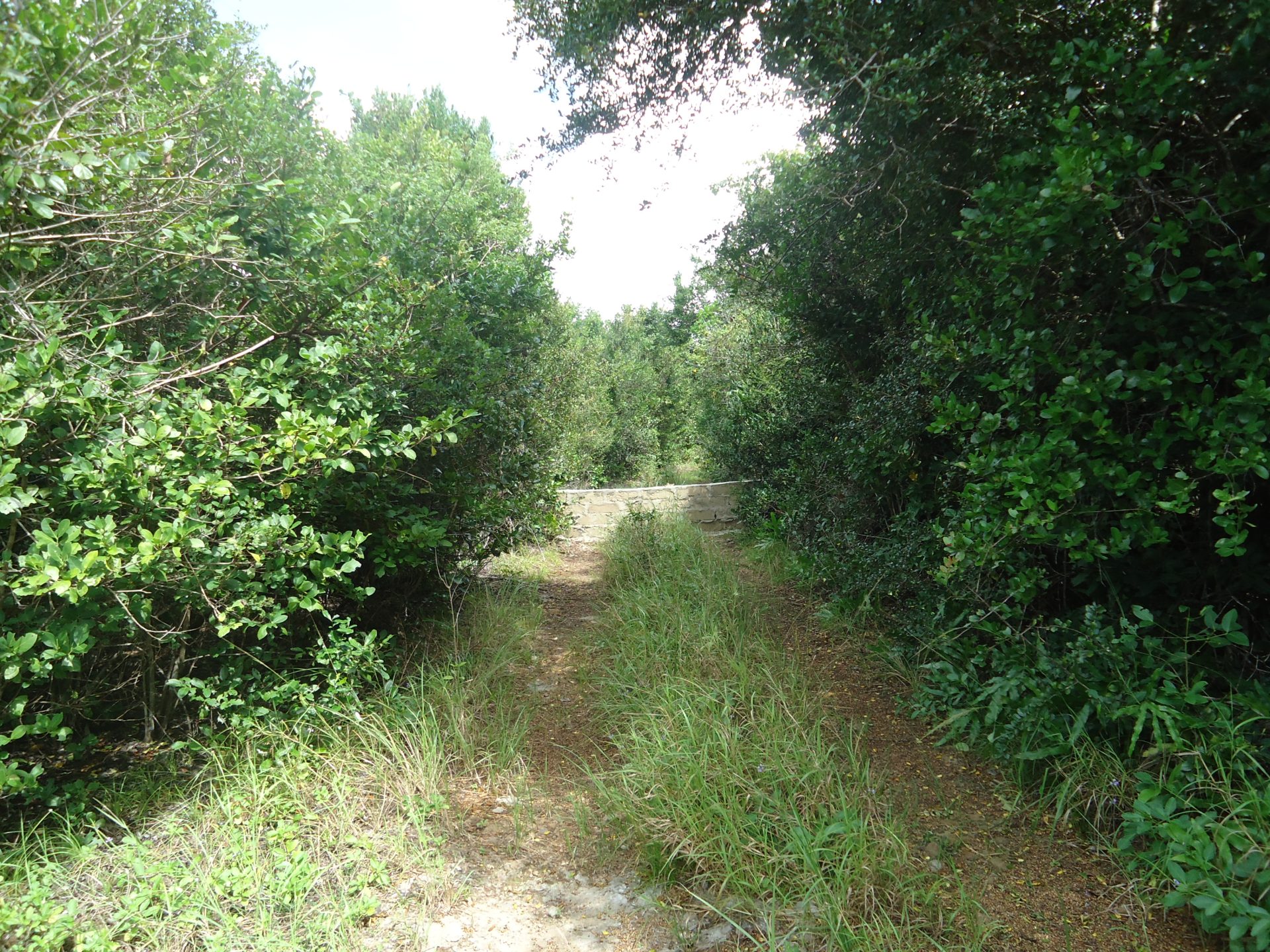
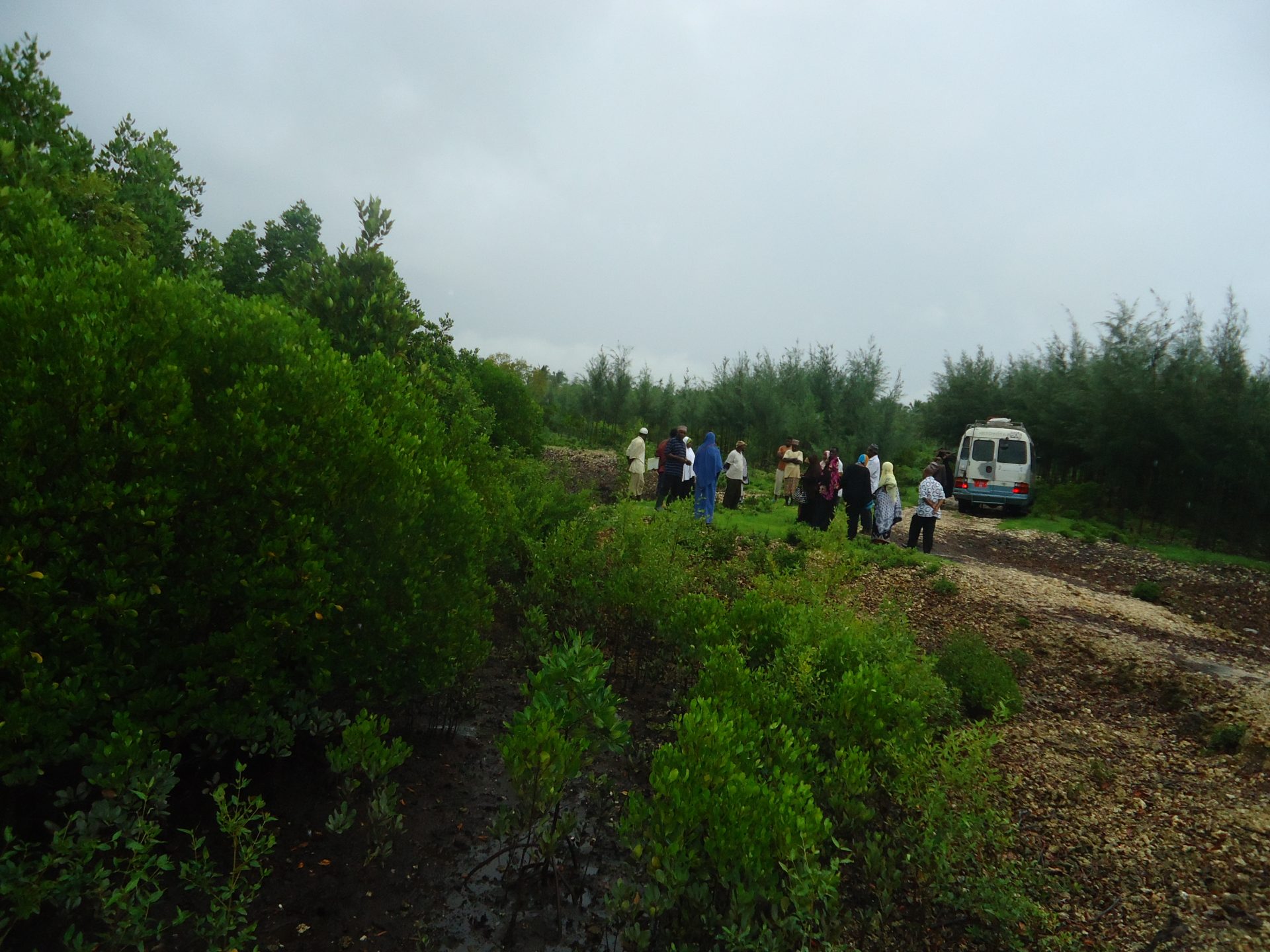
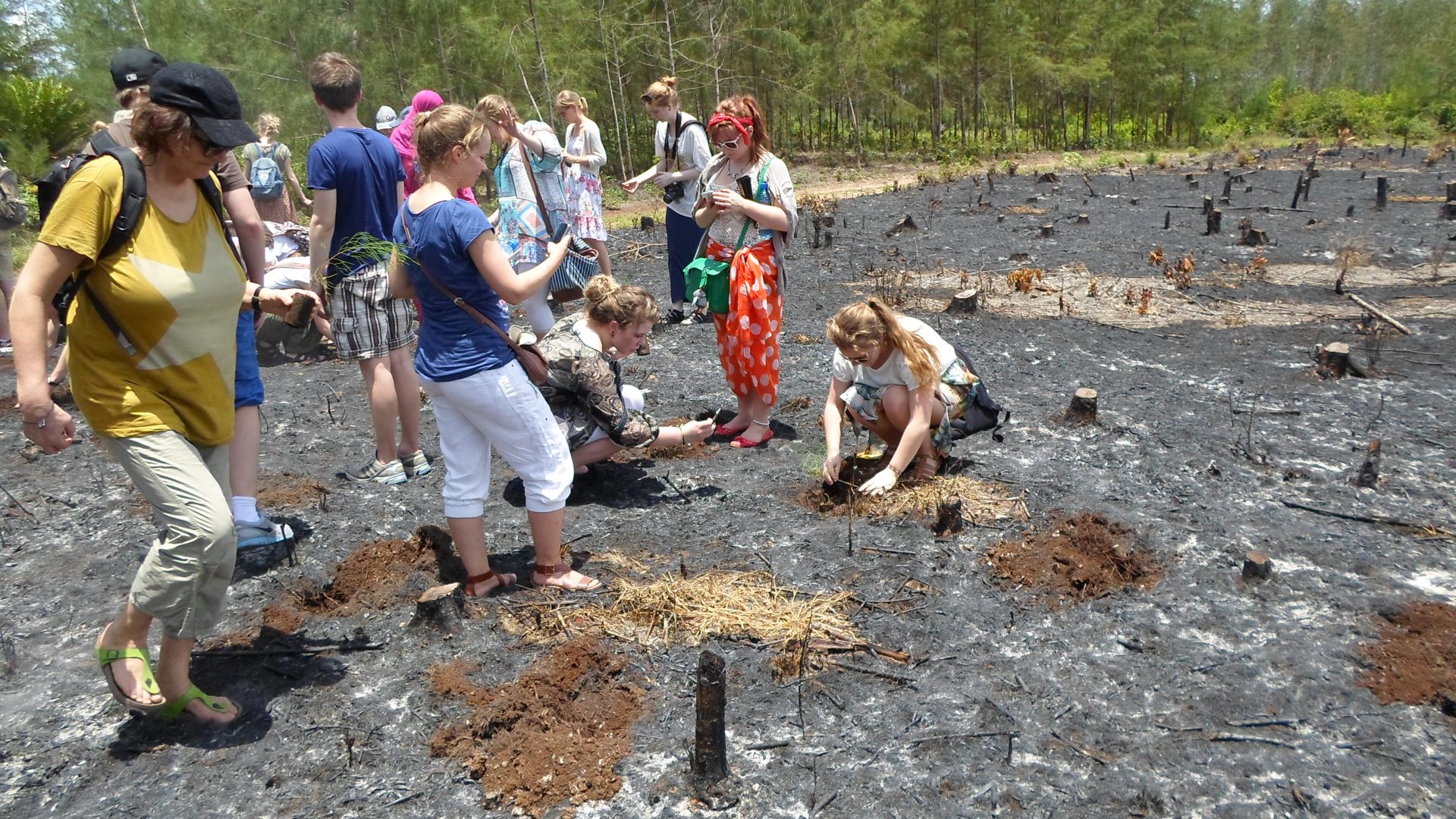
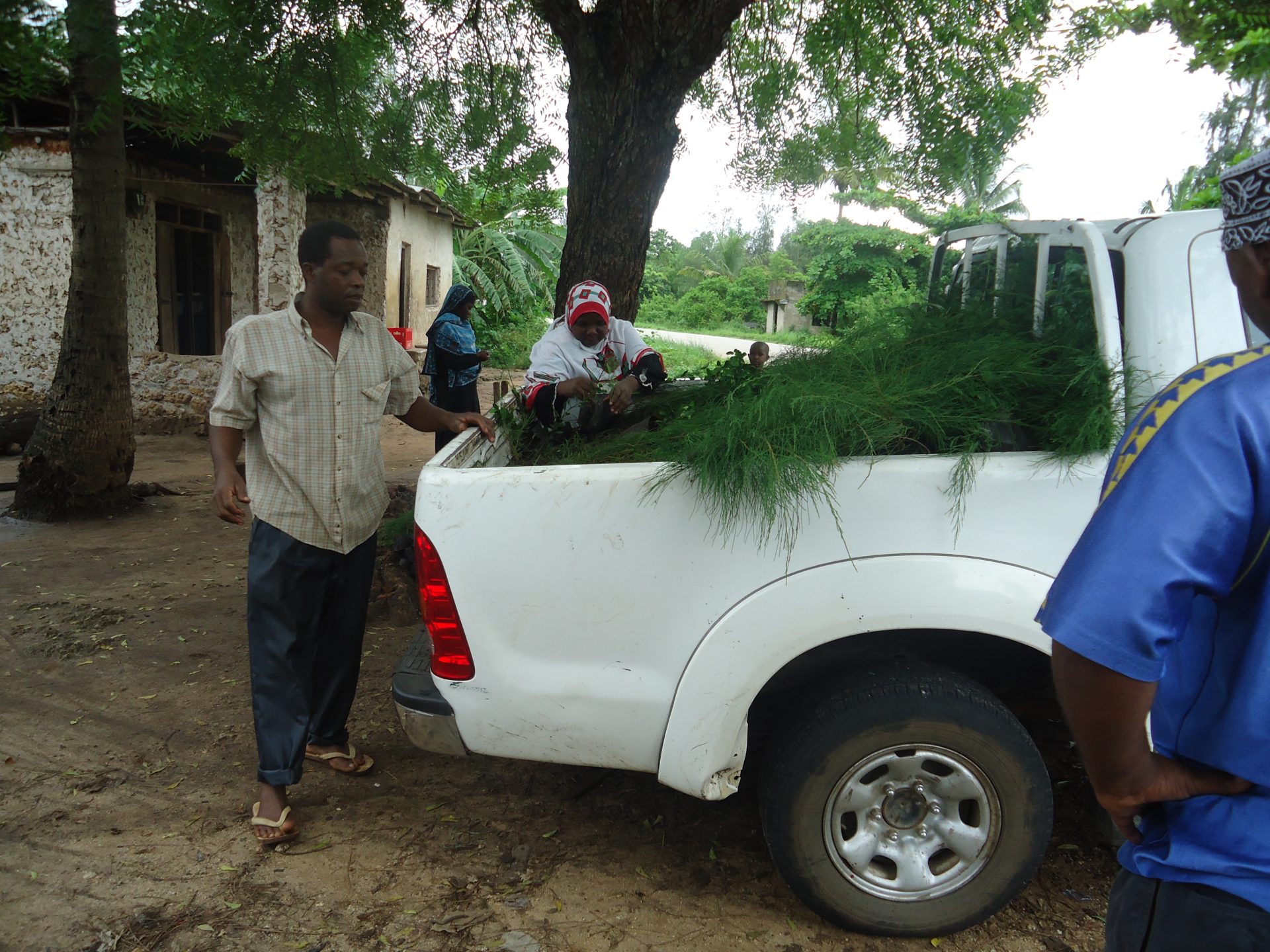
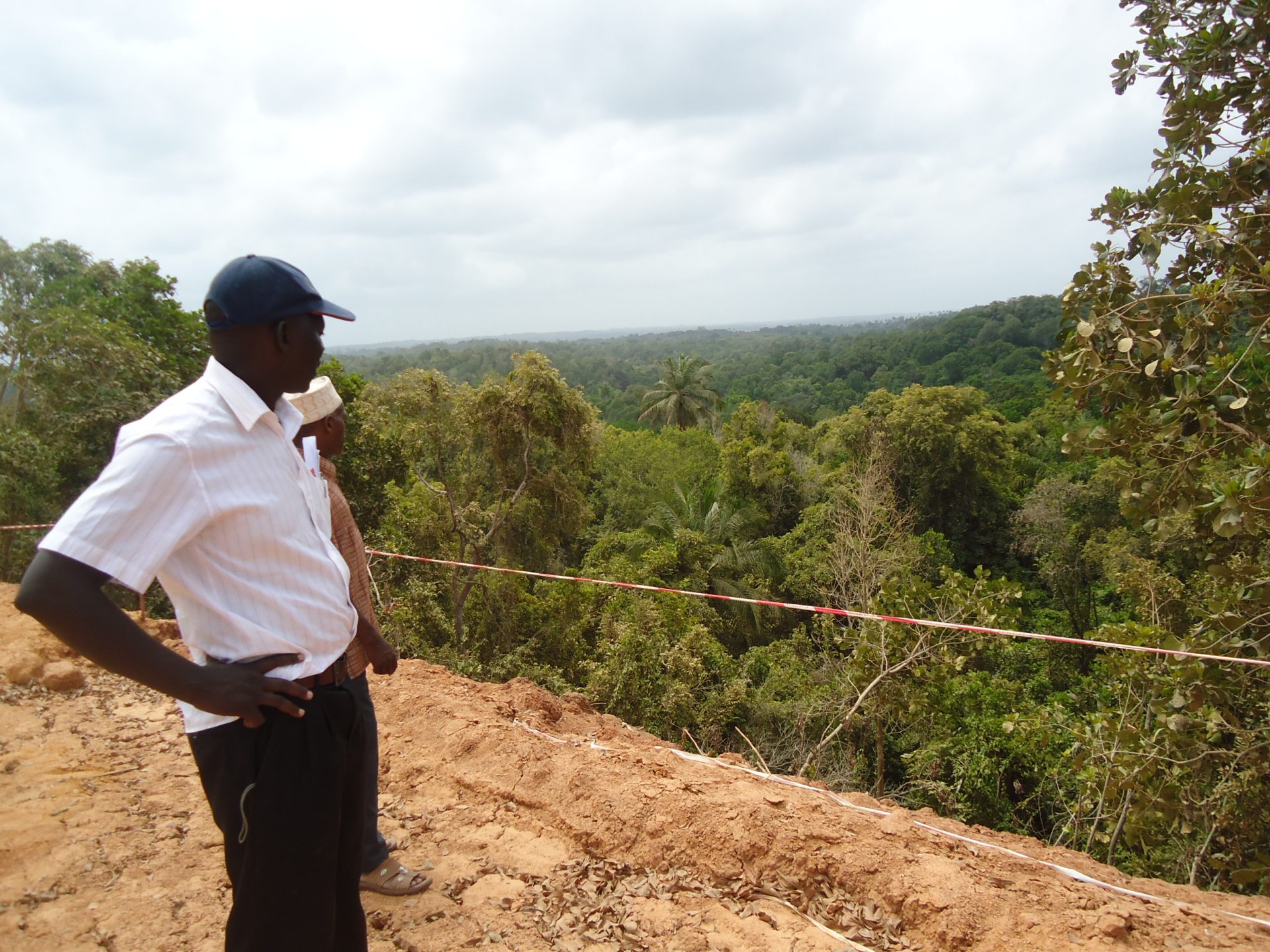
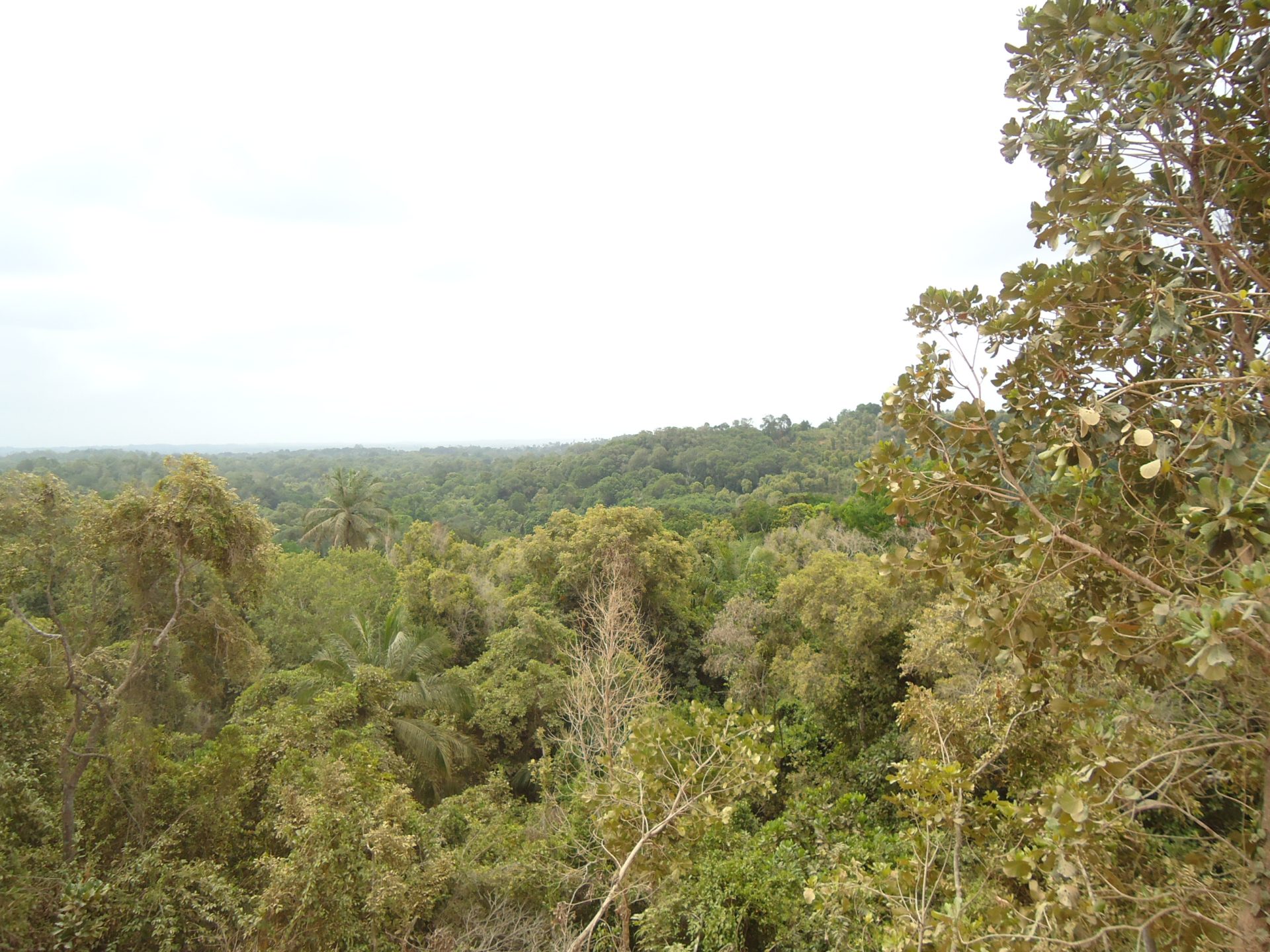
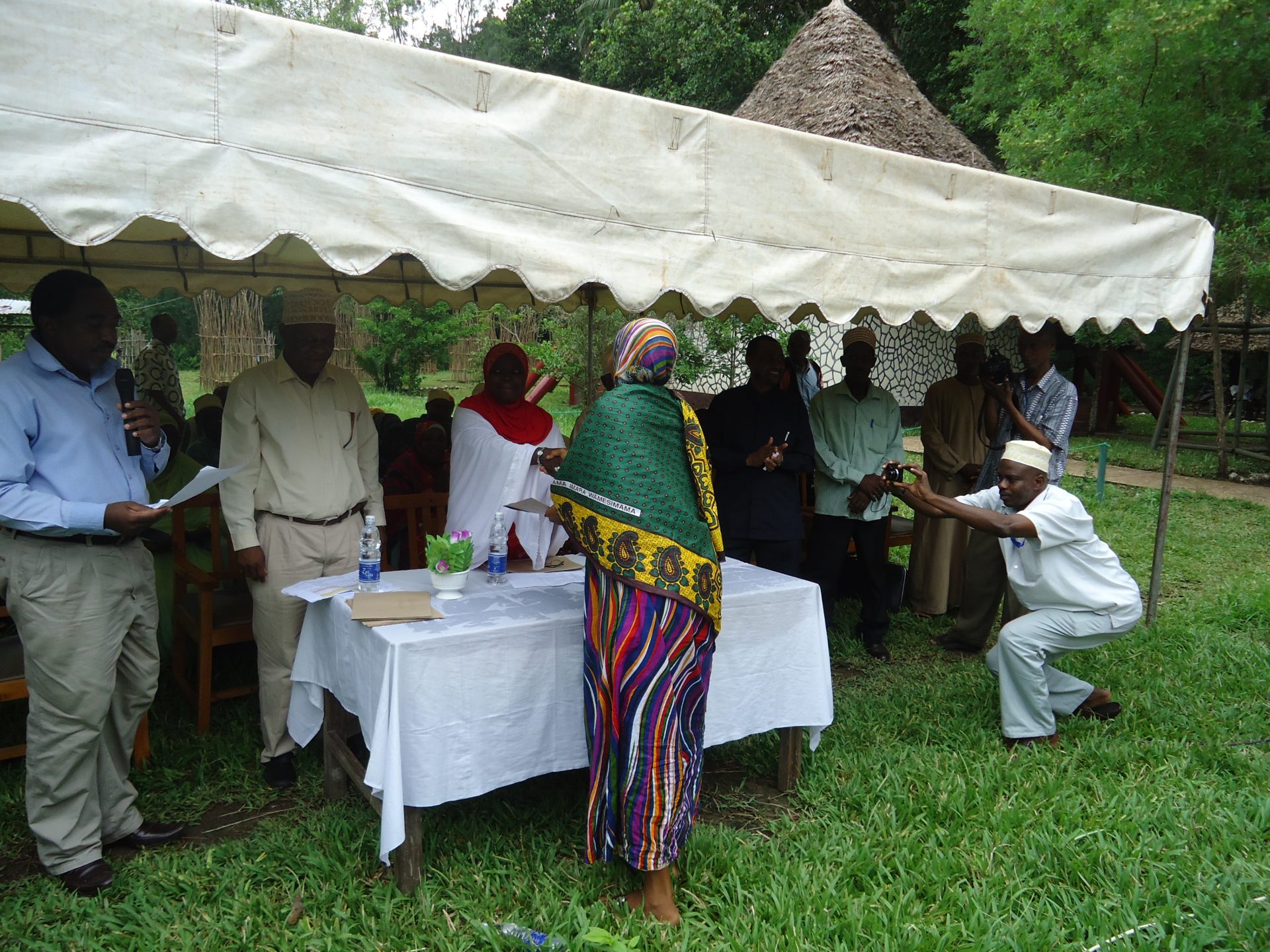
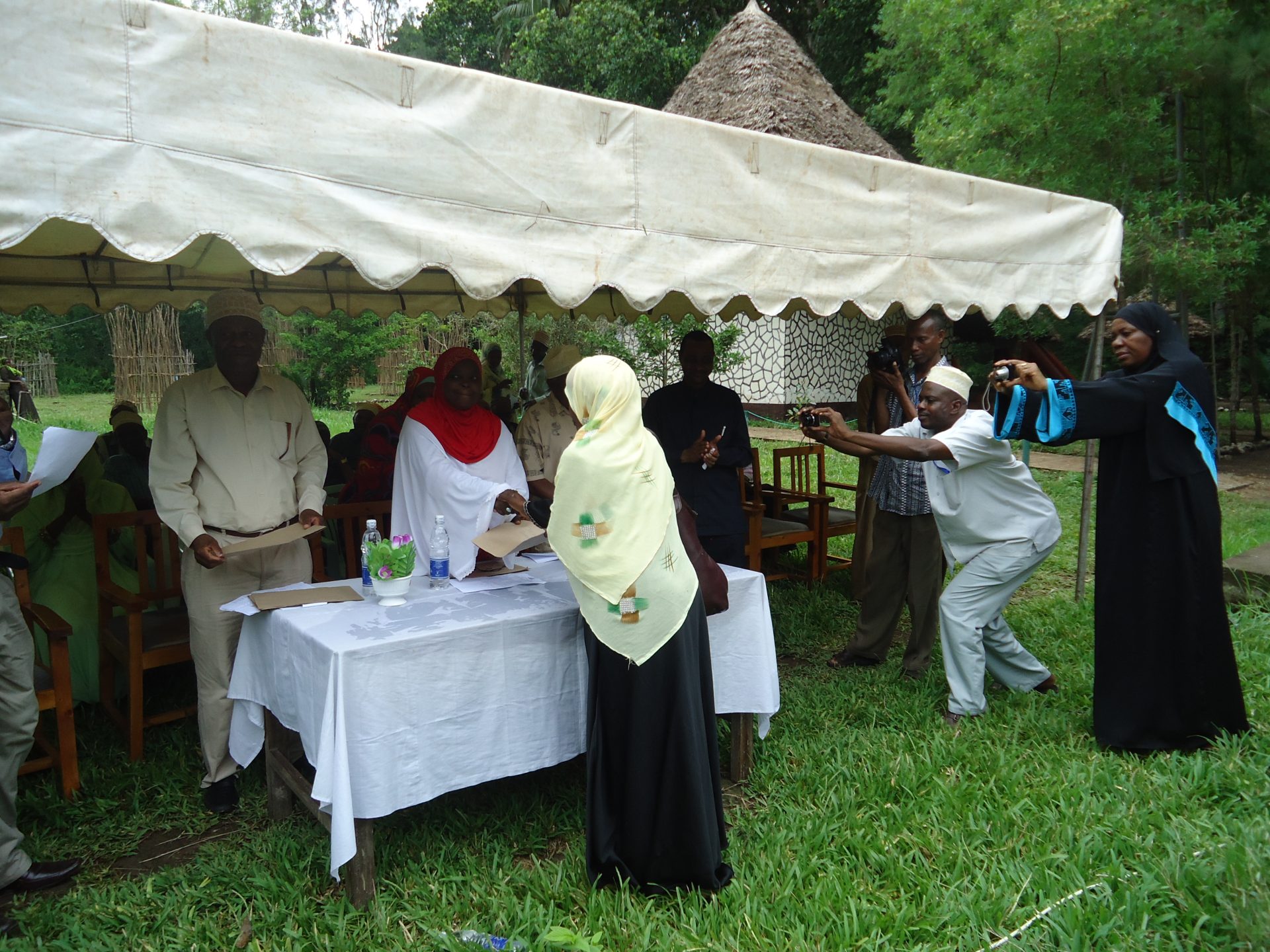
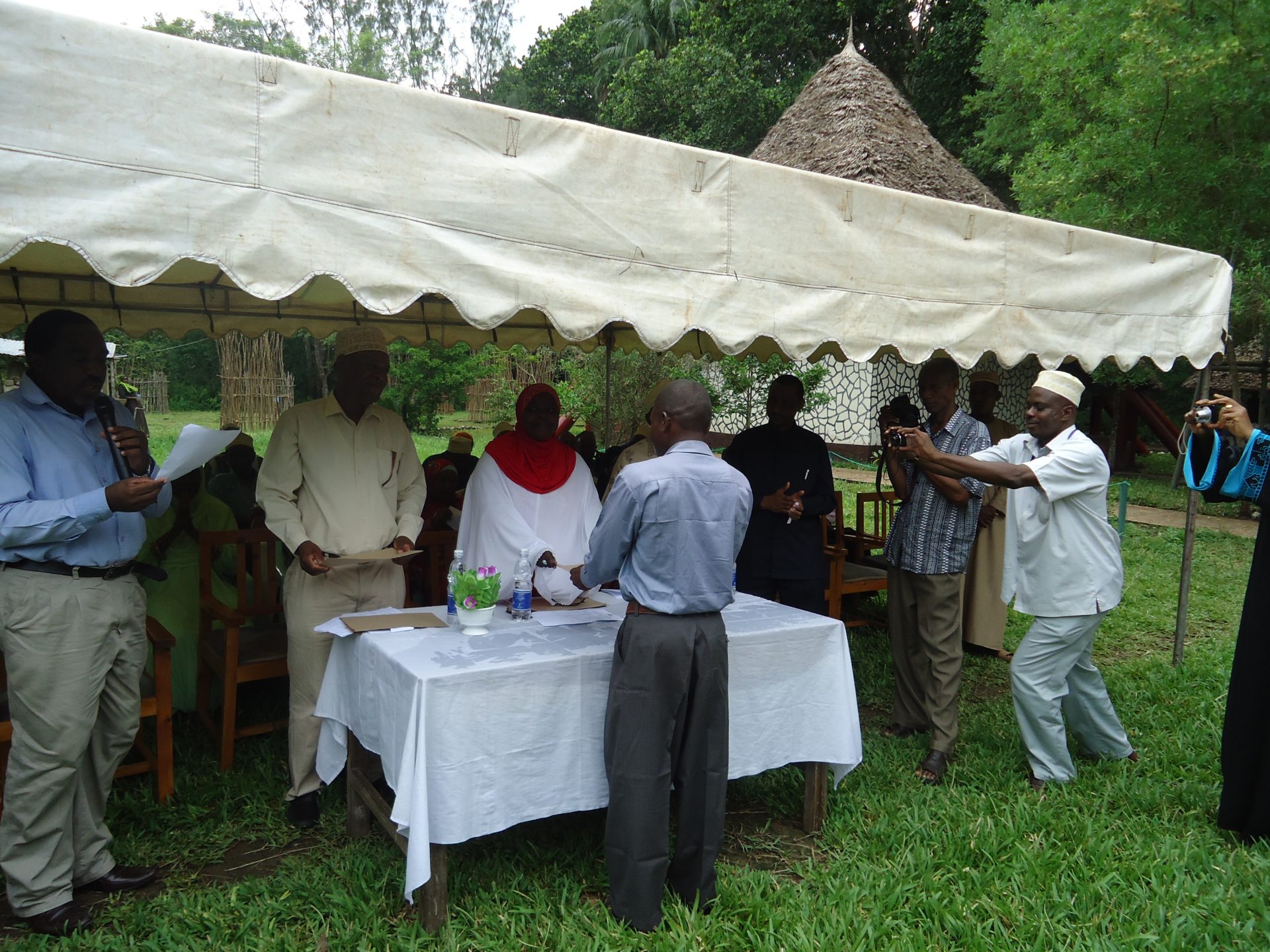
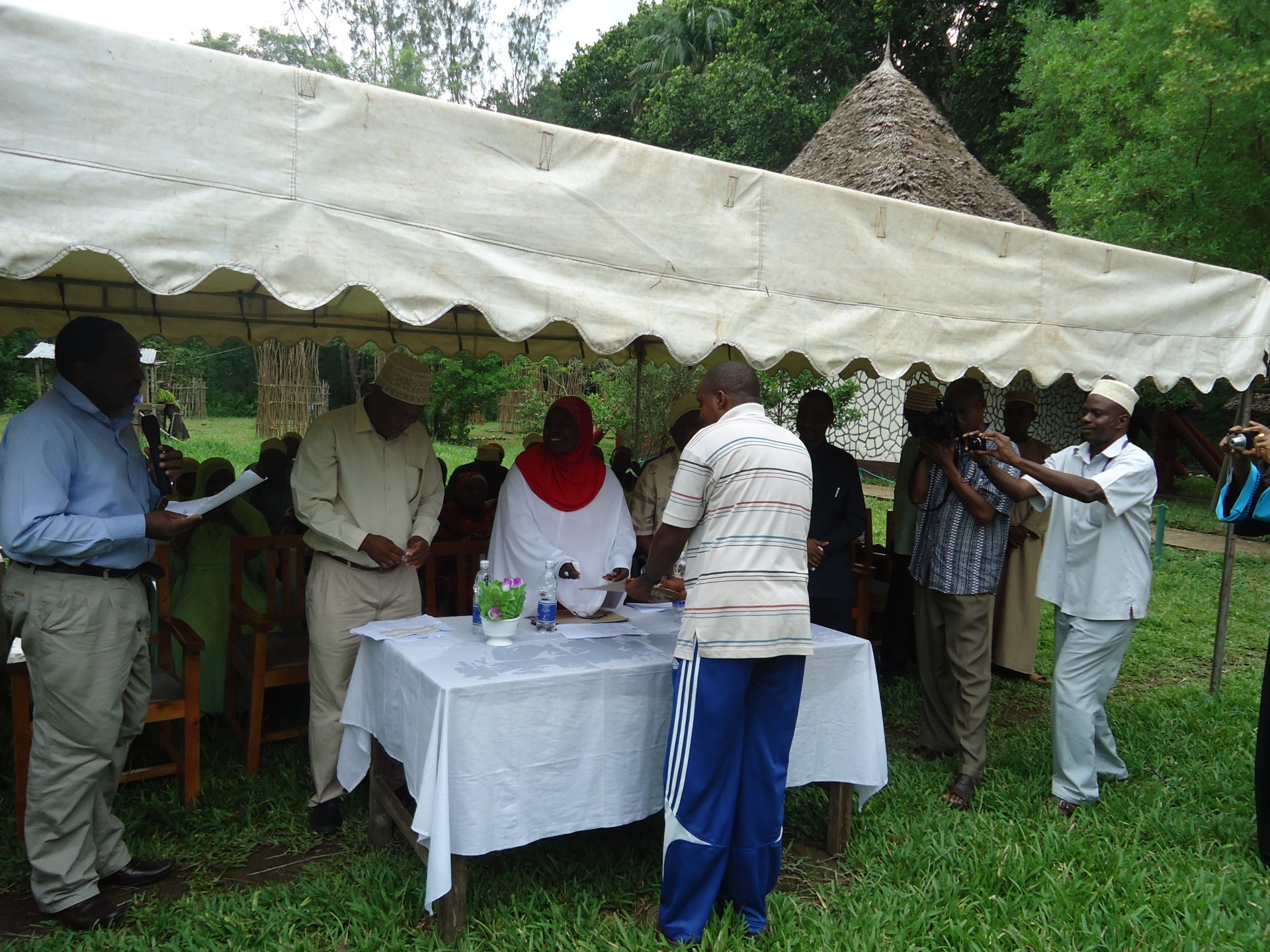
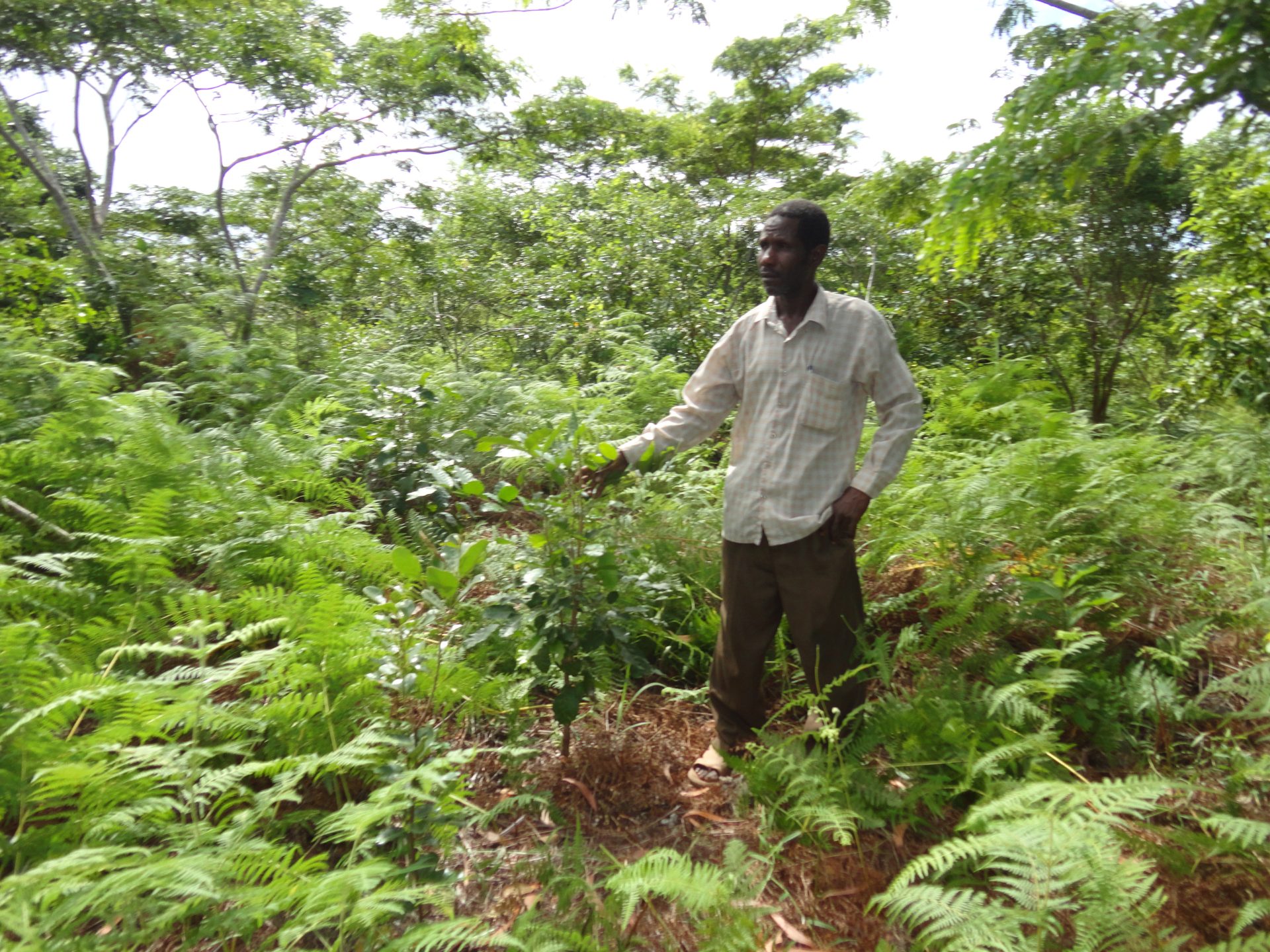
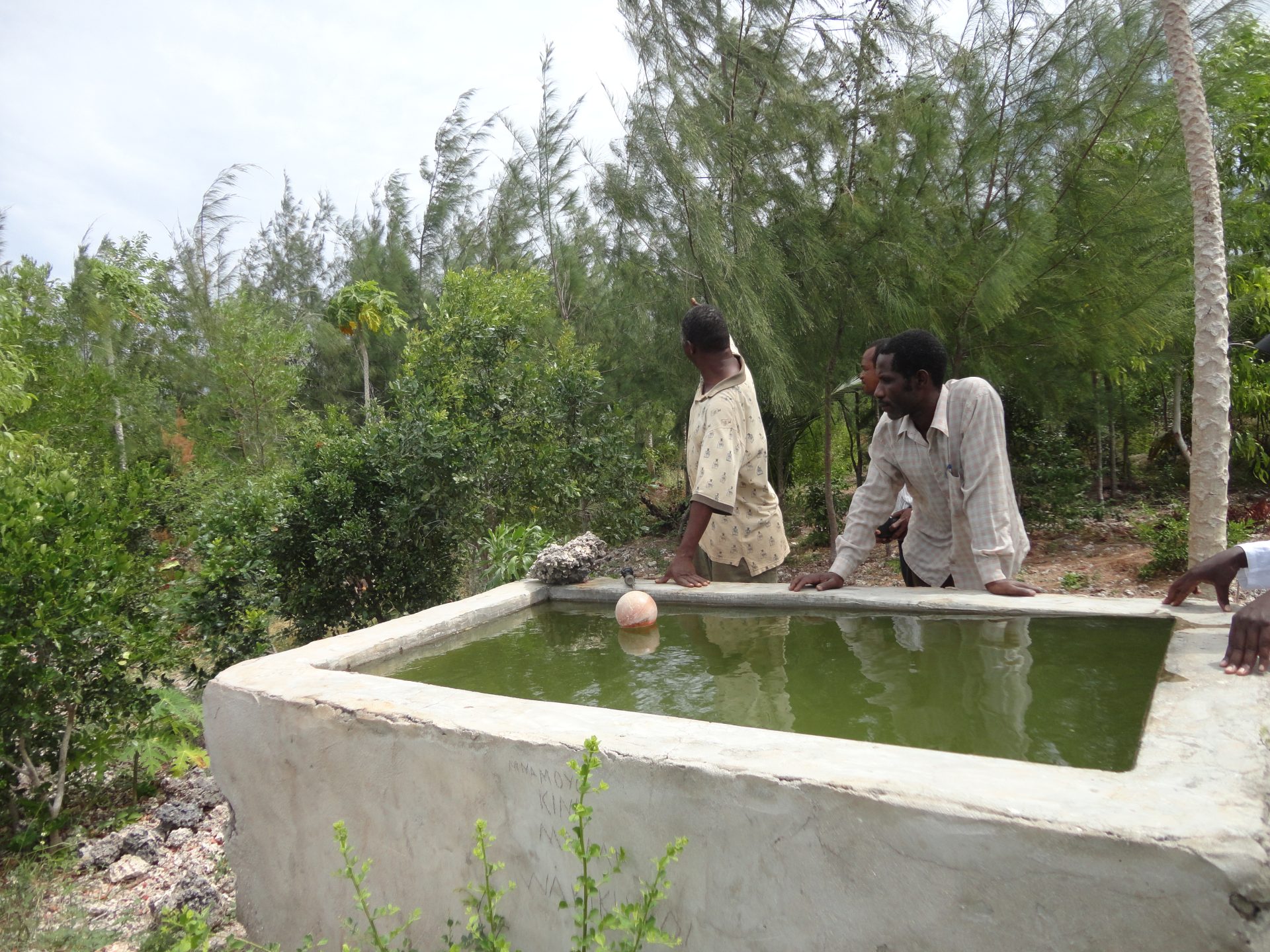
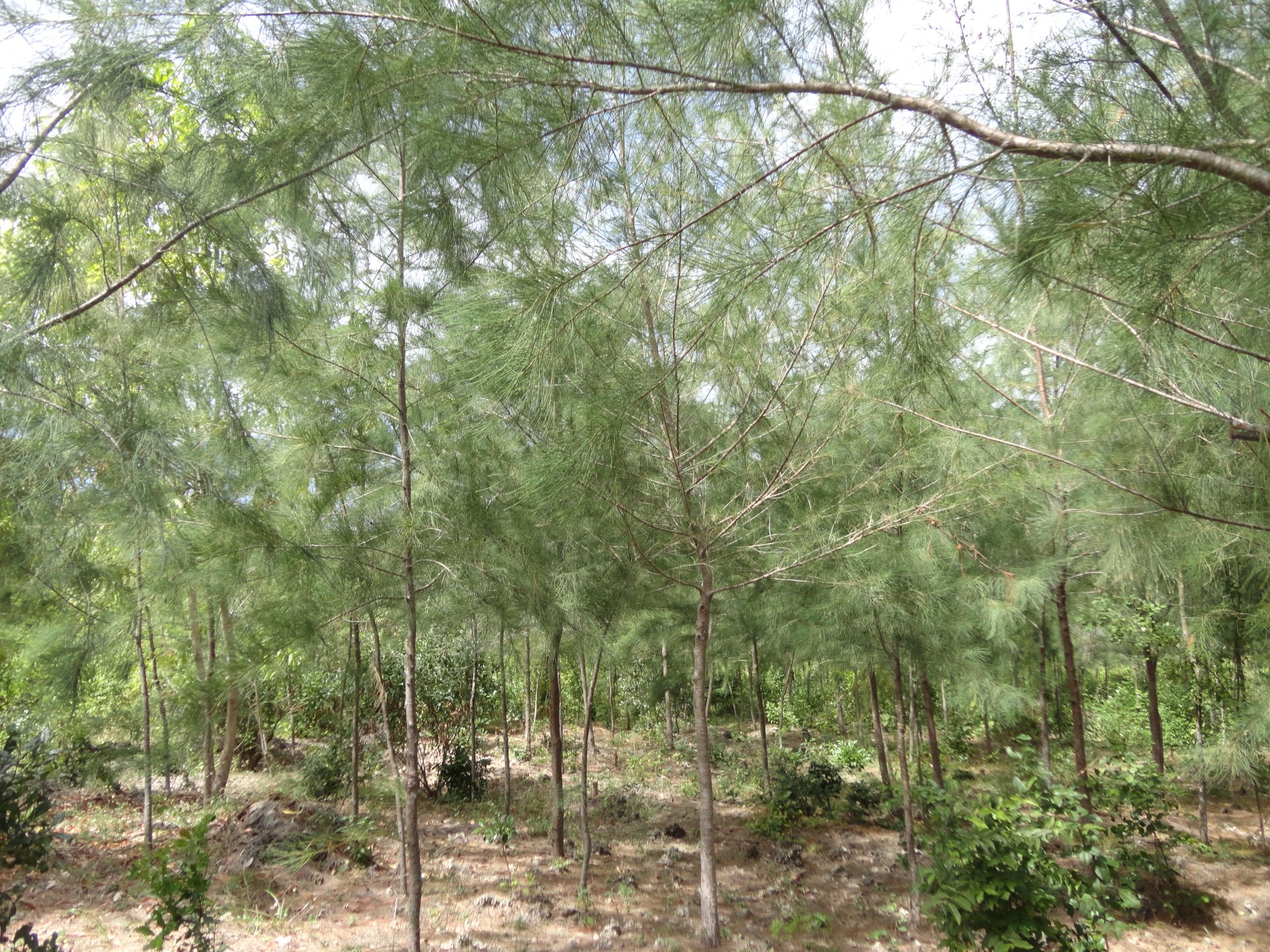
The HIMA JREDD+ Program operates on Zanzibar’s islands of Pemba and Unguja, where rapid population growth and dependence on charcoal and firewood have driven forest loss of over 1% per year. Implemented by Terra Global with the Department of Forestry Development (DFD) and the community association JUMIJAZA, Hifadhi ya Misitu ya Asili (“Conservation of Natural Forests”) applies the traditional Arabic “HIMA” system of community-based resource management to promote harmony between people and nature through sustainable forest use. The Program supports 45 Community Forest Management Areas (COFMAs), with 11 more underway, strengthening forest governance and ensuring climate revenues reach communities through JUMIJAZA.
Key Activities Include:
-
Strengthen community capacity, land tenure, and forest governance
-
Protect forests through boundary demarcation and co-management
-
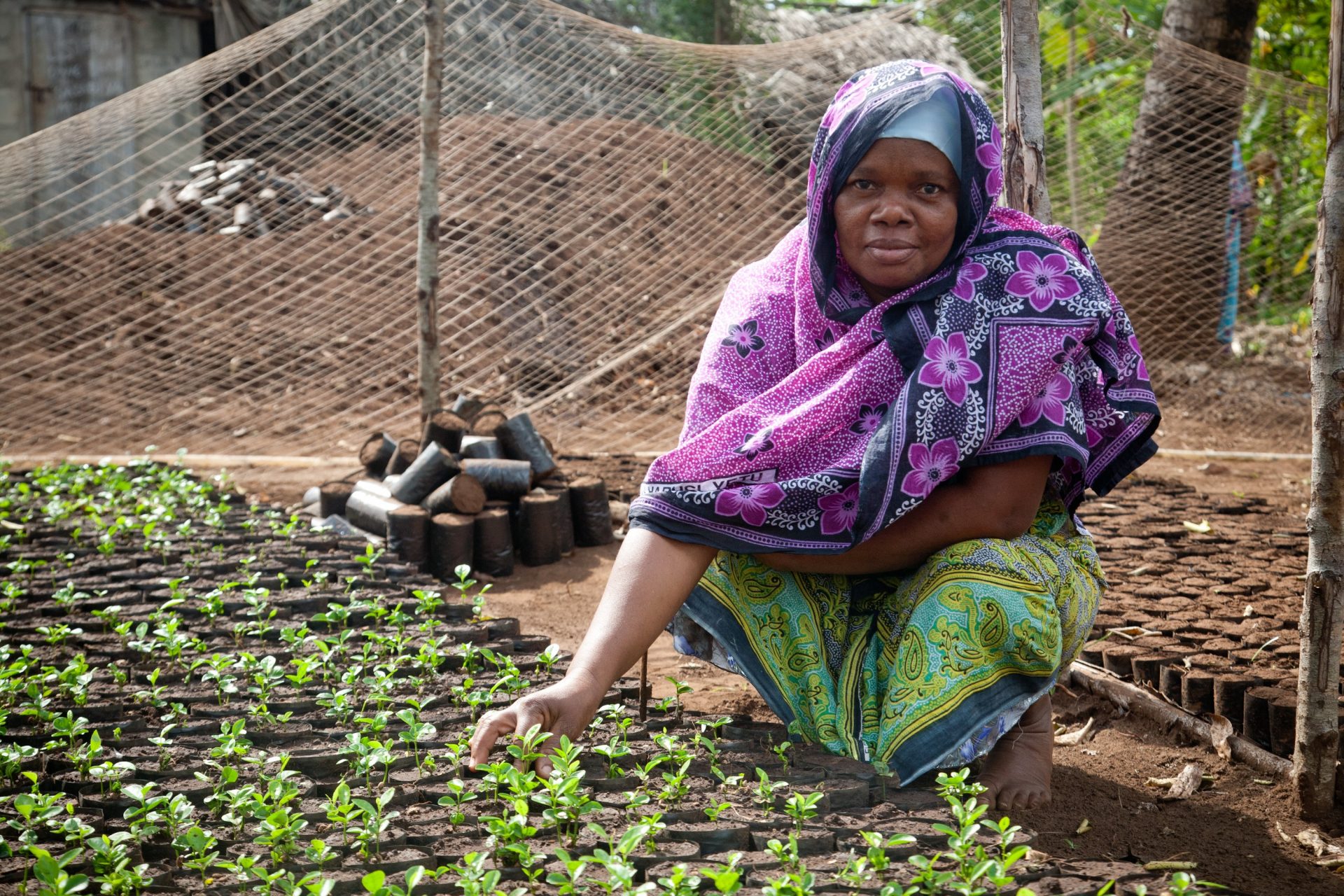
Reduce fuelwood demand with energy-efficient stoves and community woodlots
-
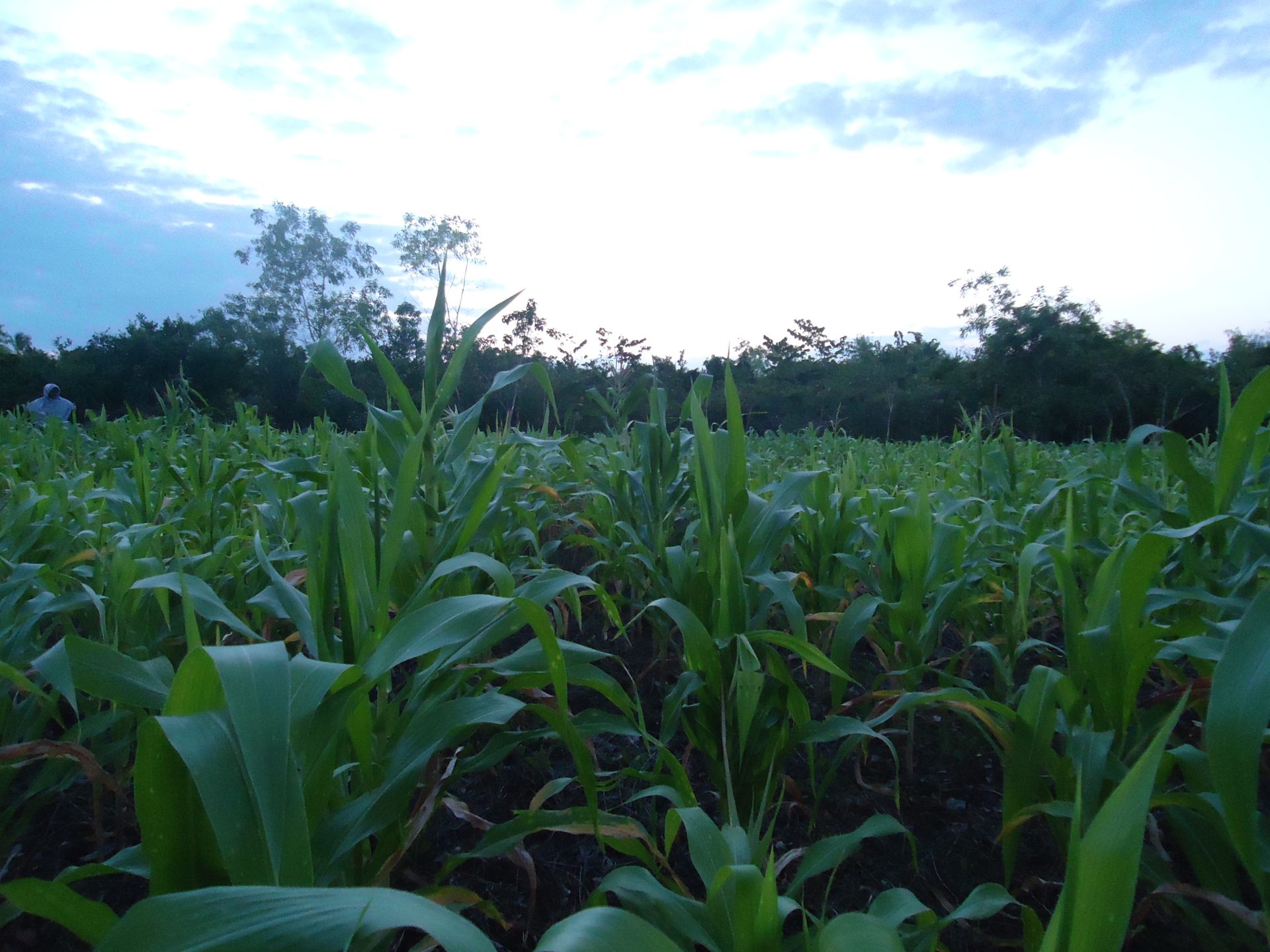
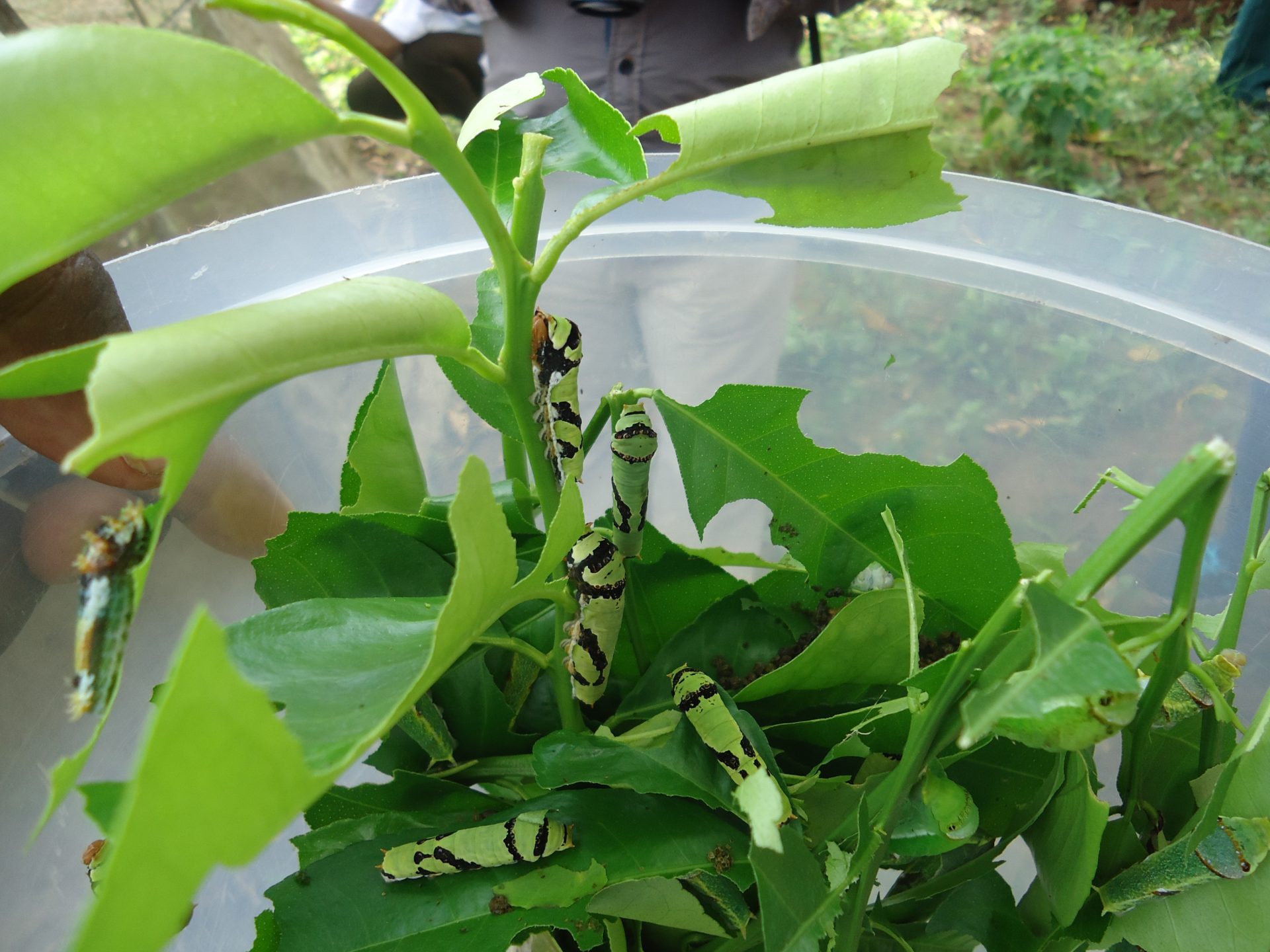
Promote sustainable agriculture and alternative livelihoods
-
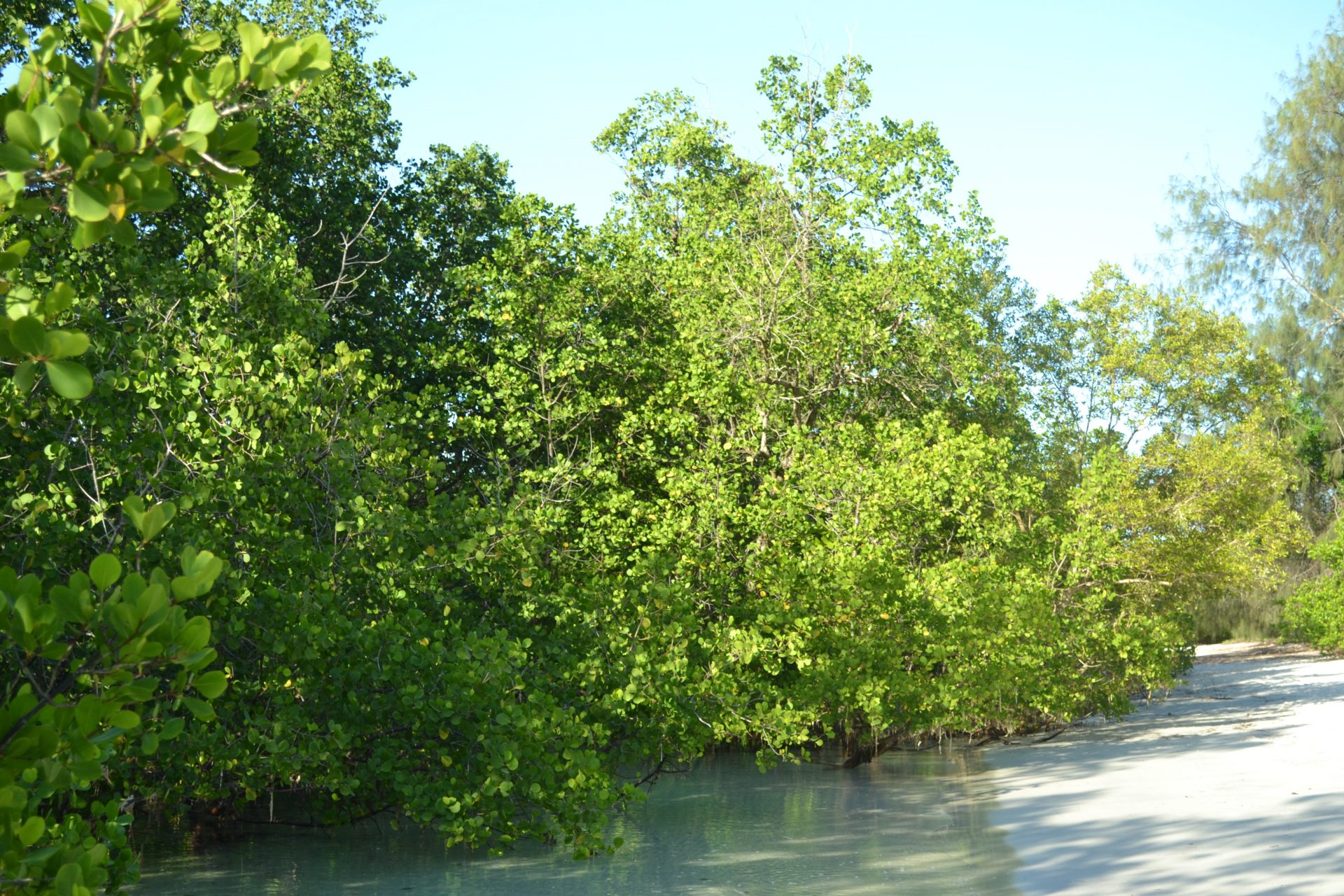
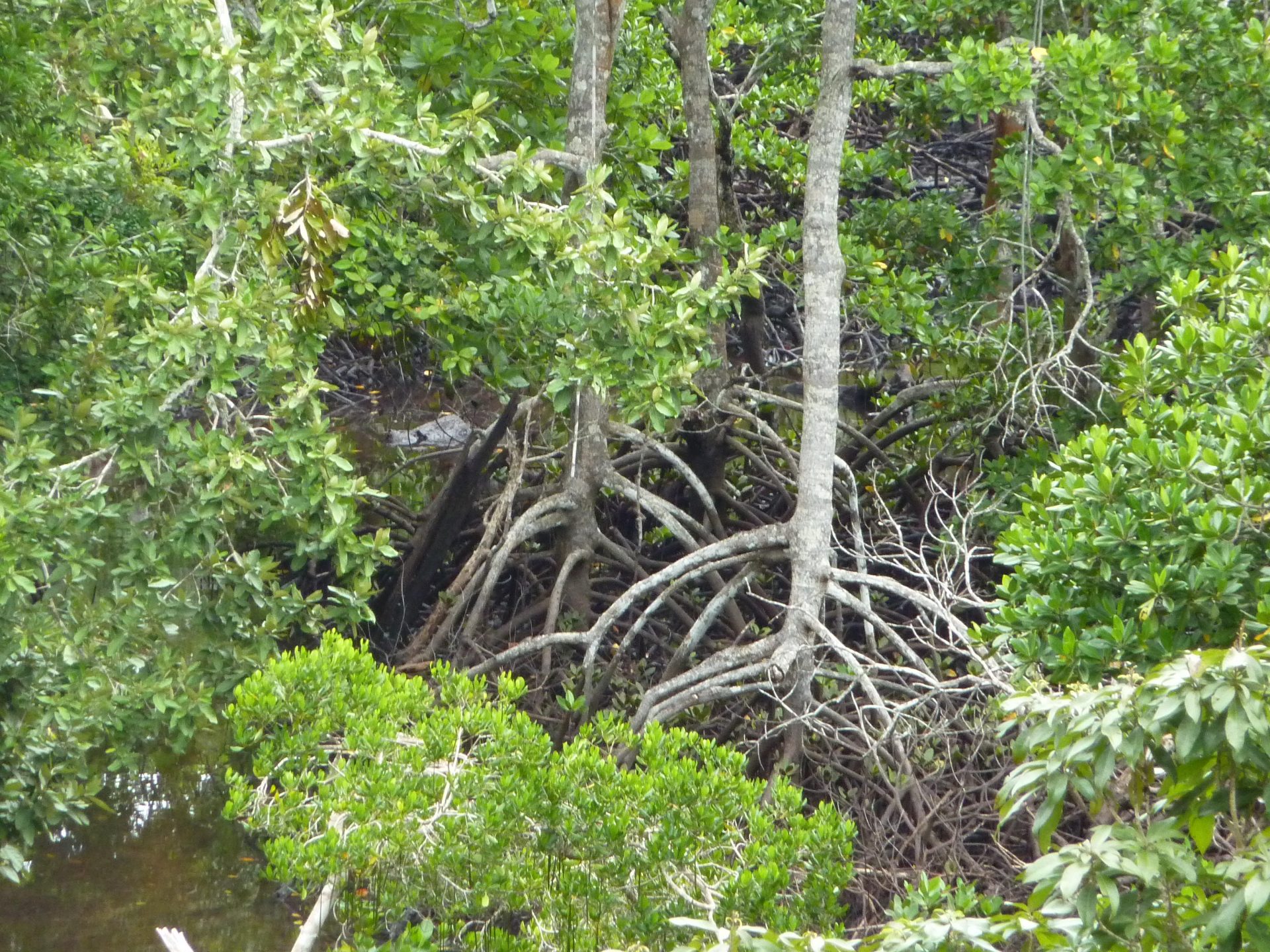
Restore mangroves through Assisted Natural Regeneration (ANR)
-
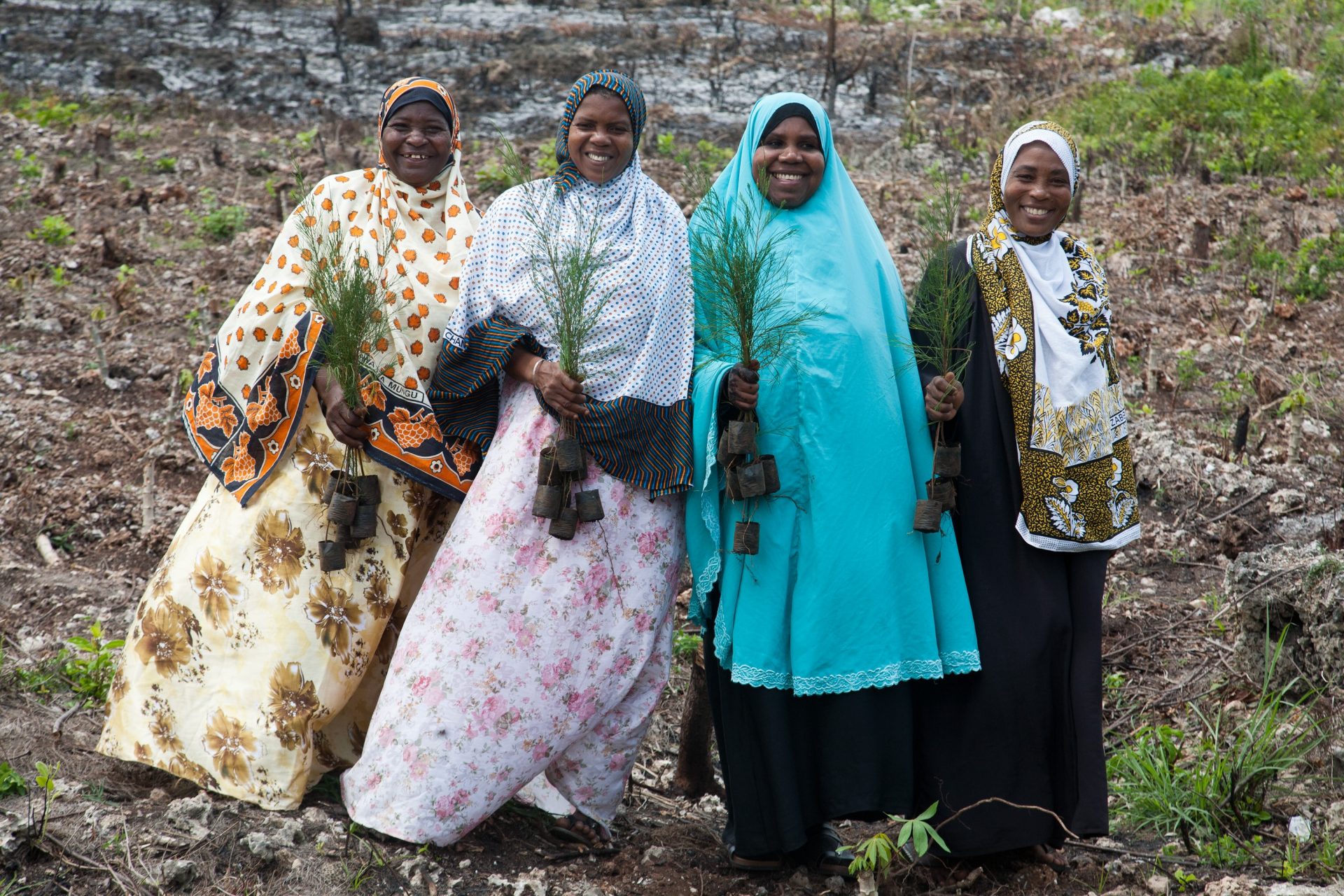
Ensure equitable benefit sharing with a focus on women

Program Documents
Program Activities
Strengthened Community and Institutional Capacity
-
The Program will establish operational offices in Pemba and Unguja and build a dedicated project management team, including carbon, finance, M&E, field, and support personnel to ensure strong on-the-ground delivery.
-
Capacity building for JUMIJAZA staff will strengthen project management, operational monitoring, and implementation performance through targeted professional development, workshops, and short courses.
-
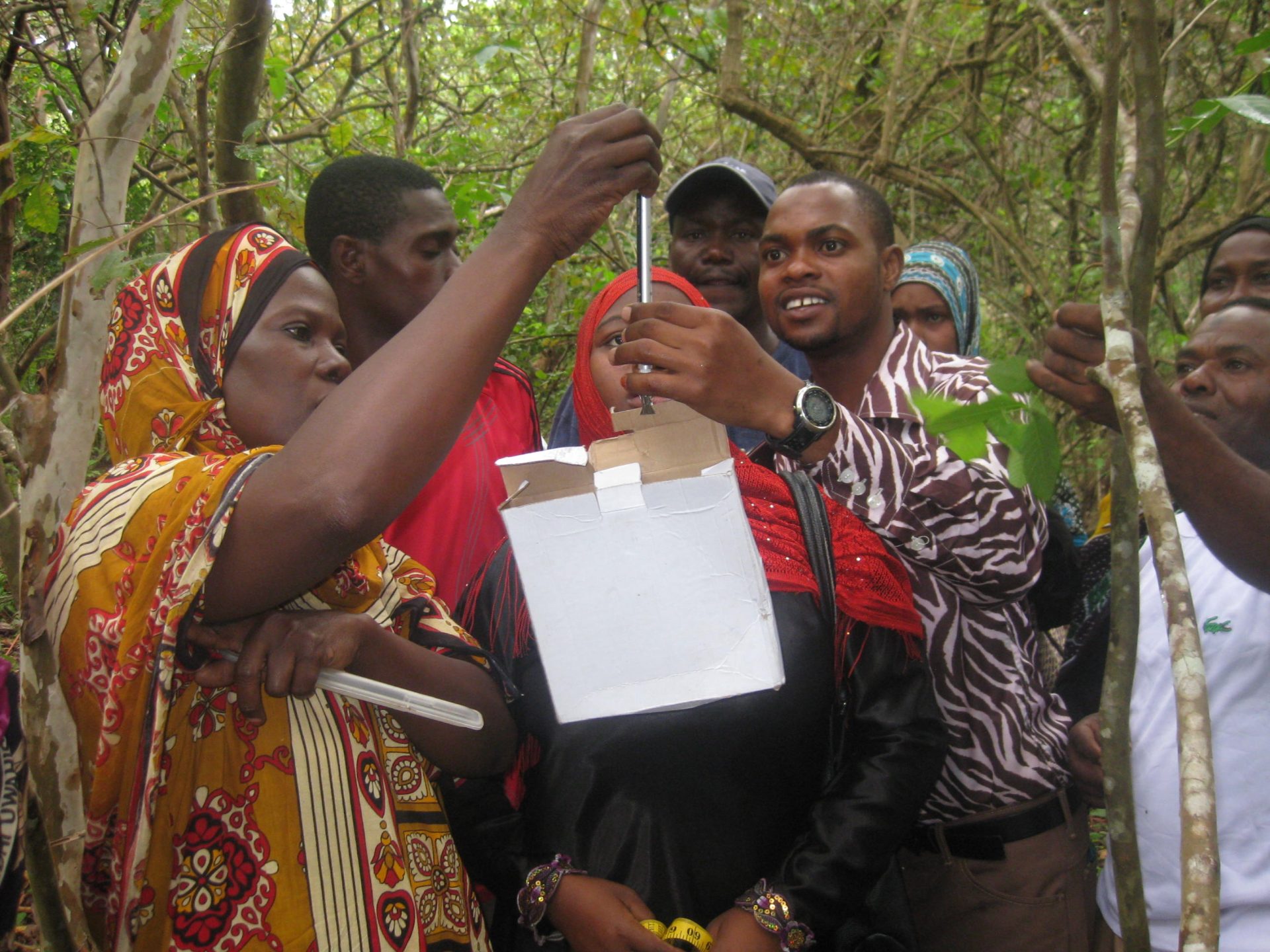
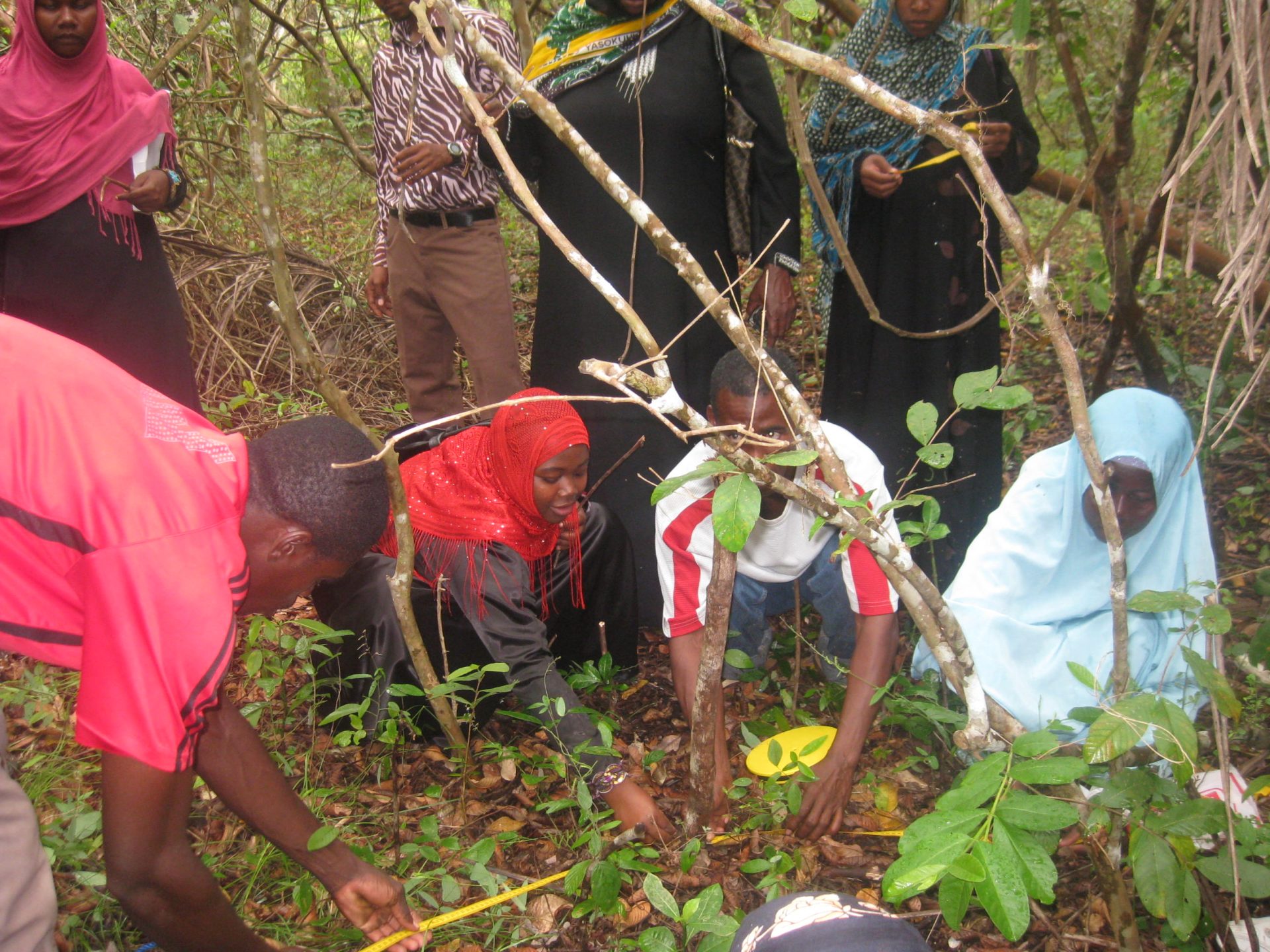
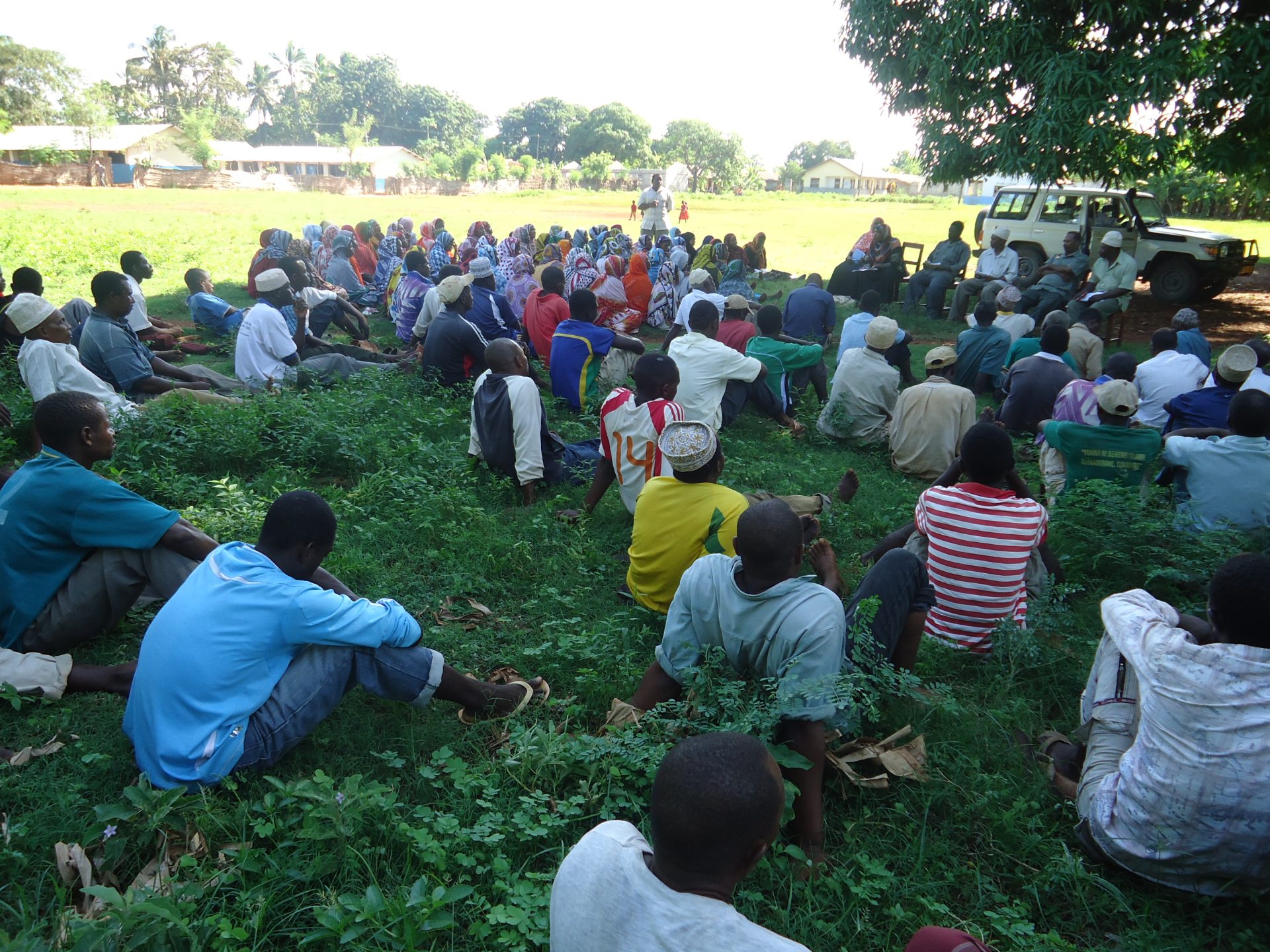
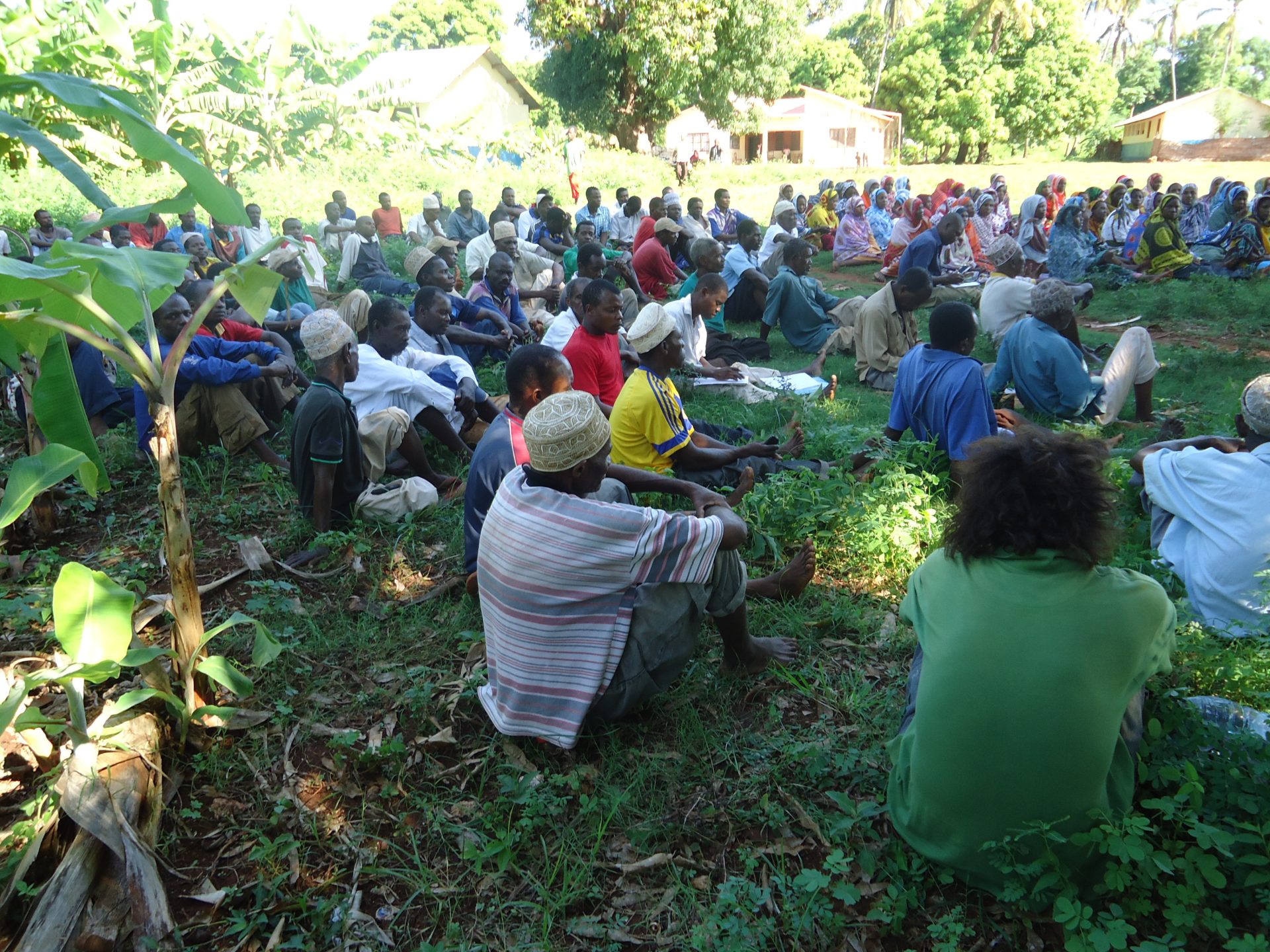
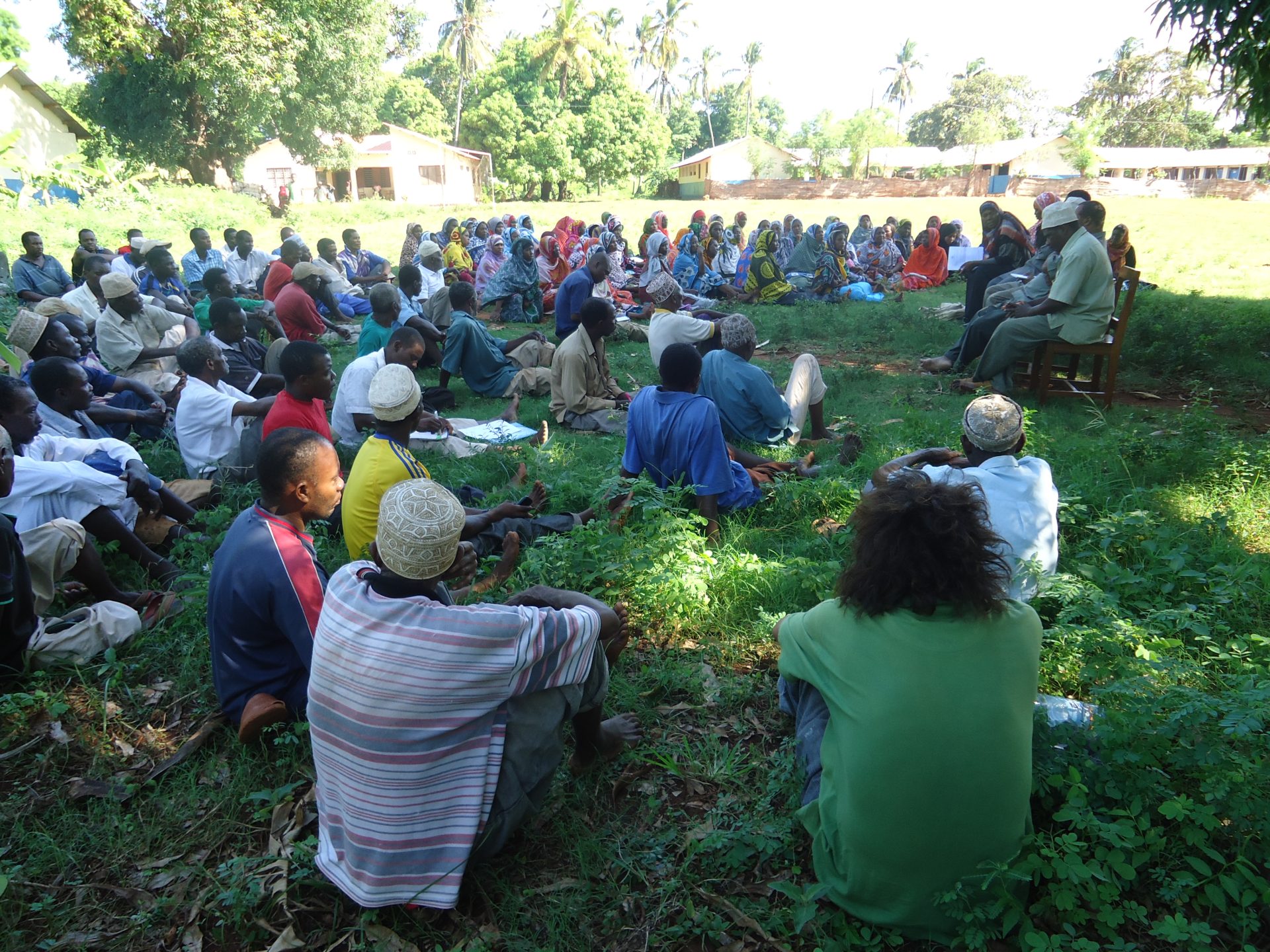
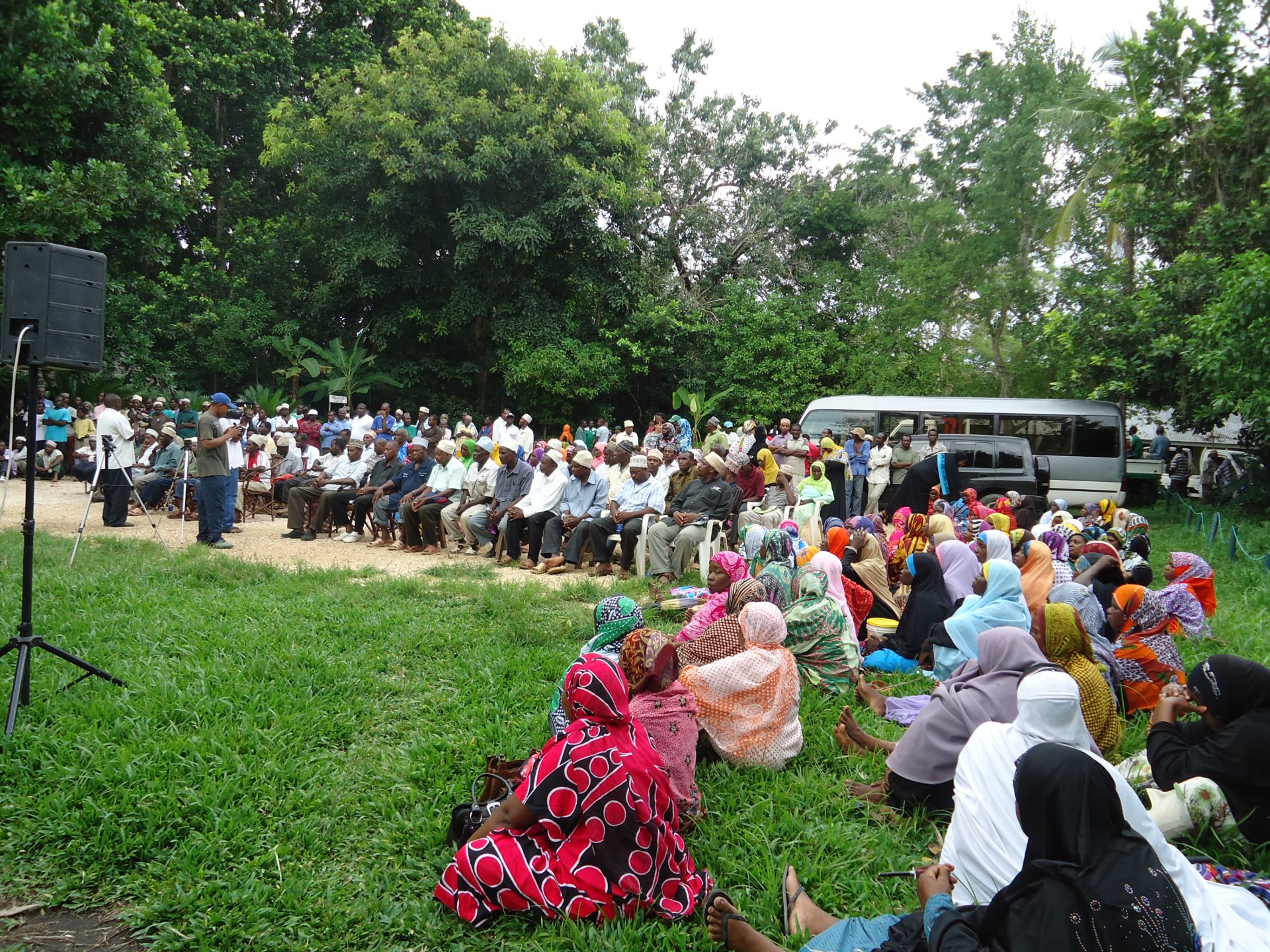
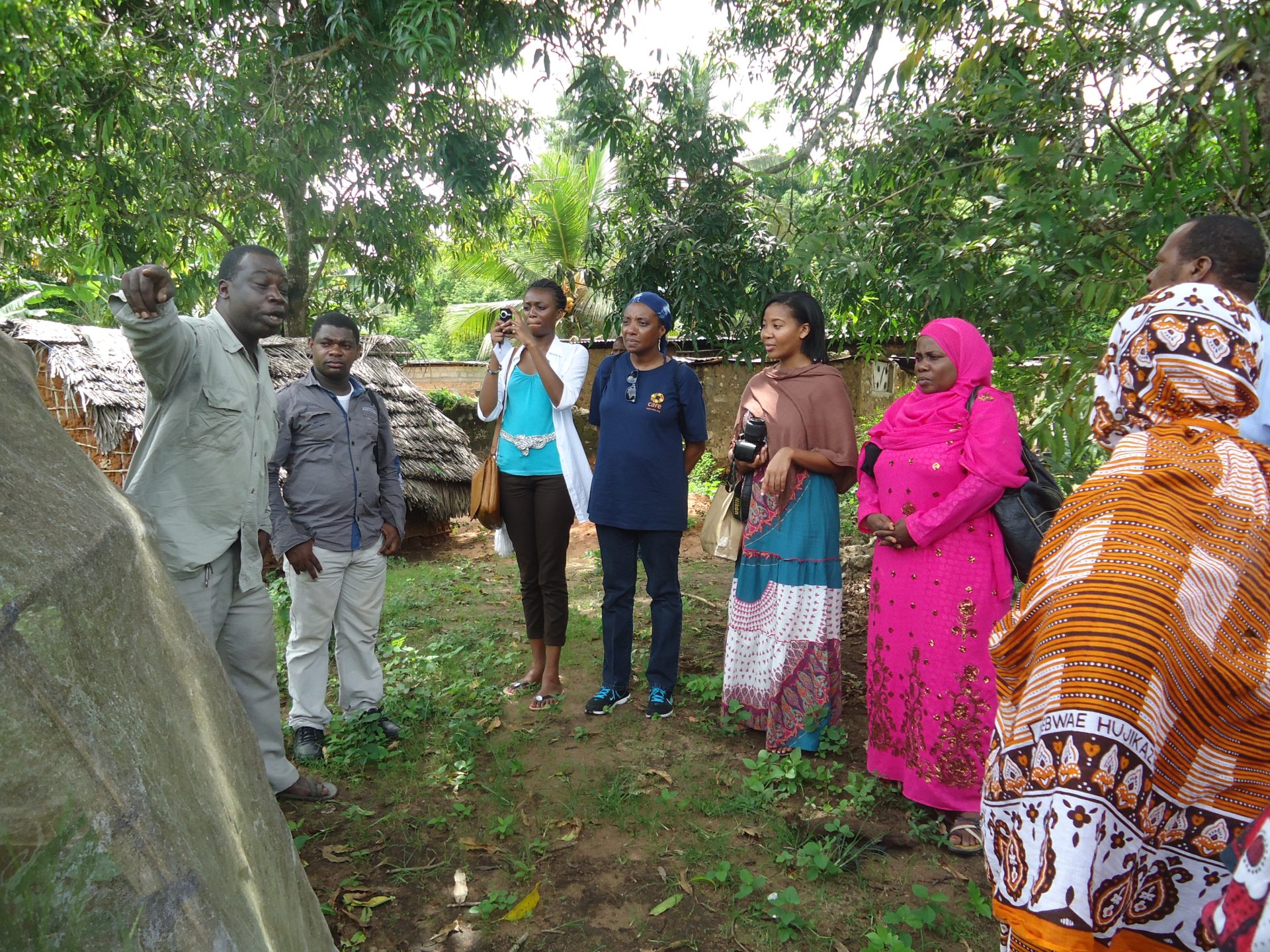
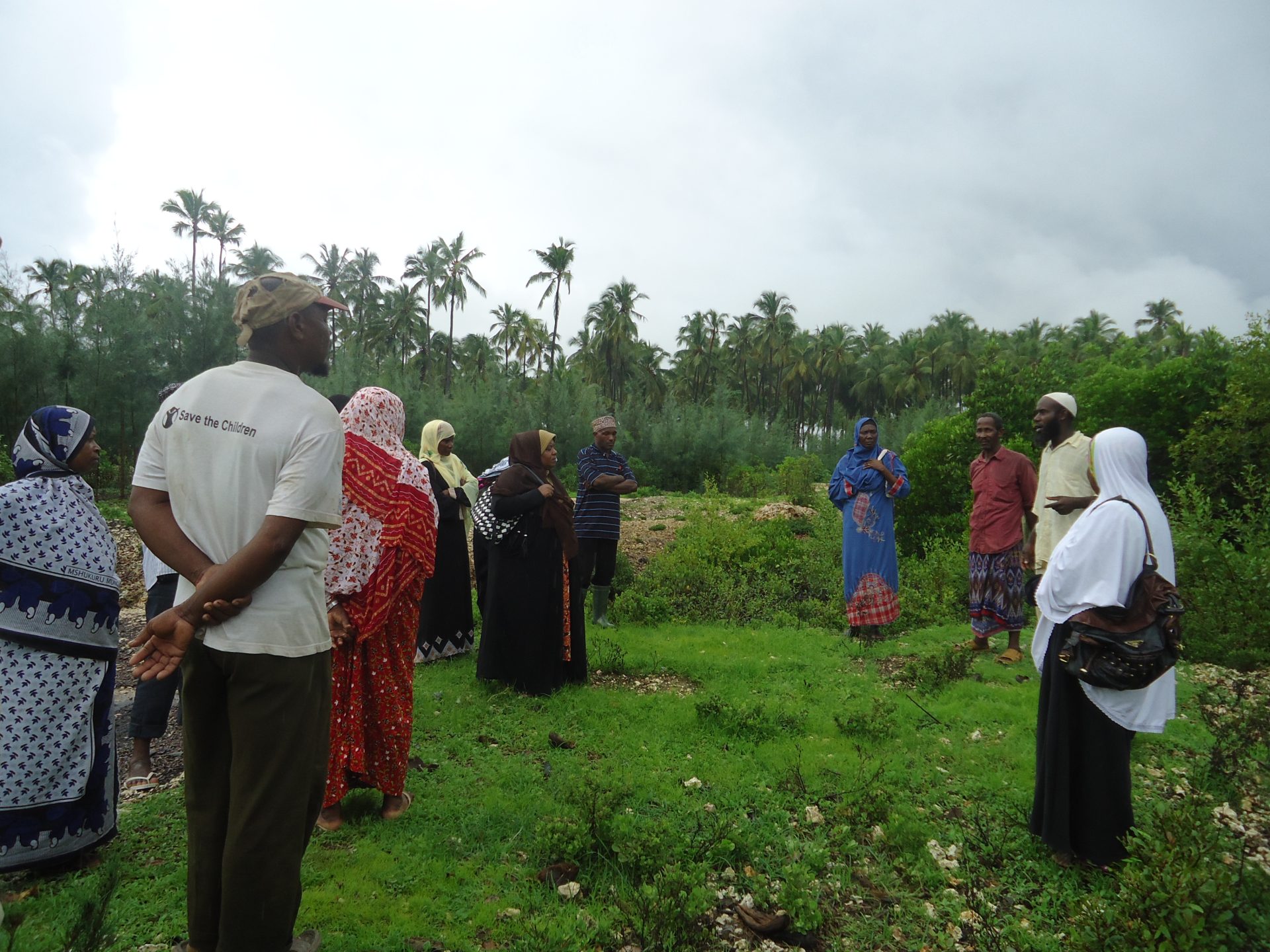
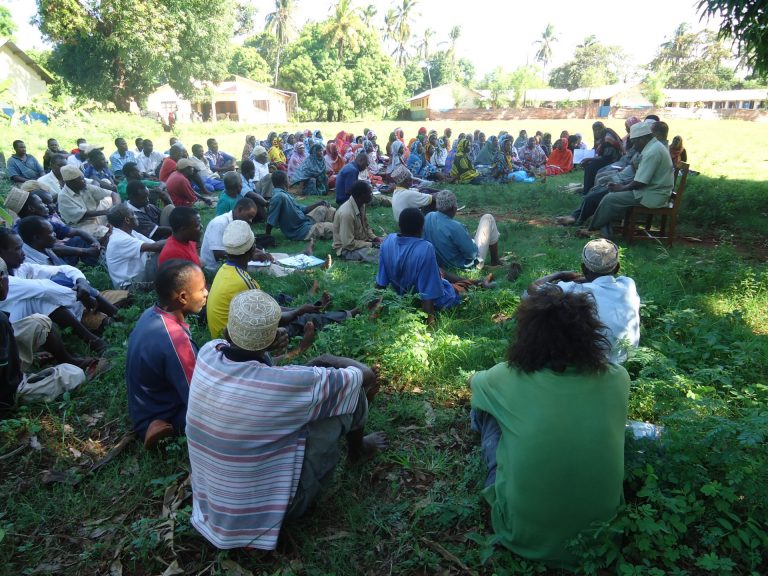
Community awareness and engagement will be increased through regular meetings with villagers, Shehia Conservation Committees (SCCs), government representatives, and local stakeholders to discuss climate impacts, conservation needs, and program goals.
-
Conservation education programs will be designed and implemented for JUMIJAZA members, CoFMA leaders, teachers, and youth, promoting environmental stewardship and long-term behavioral change.
Program Gallery