
Protection of biodiversity is a major outcome of successful nature-based programs, especially across Terra Global’s portfolio. Our programs are designed to reduce and remove emissions and restore degraded landscapes, as well as help protect some of the world’s most threatened forests, which provide critical habitat for wildlife.
From the miombo woodlands of Malawi to the tropical rainforests of Colombia and Mexico, and the mangroves and coastal wetlands of Guinea-Bissau, these landscapes support extraordinary biodiversity while providing critical ecosystem services and livelihoods for local communities.
Nature-based solutions are most effective when biodiversity thrives alongside climate action and community development. Across our portfolio, Terra Global works with local communities, governments, and conservation partners to help protect ecosystems that are essential for species survival, climate stability, and sustainable development.
On Endangered Species Day, we recognize the importance of conserving the natural systems that sustain both people and planet, and reaffirm our commitment to protecting biodiversity through long-term, community-centered conservation initiatives. Examining a few of Terra Global’s programs shows the value in safeguarding endangered species and the impact nature-based solutions (NbS) can have on biodiversity.
Malawi: Conserving Critical Wildlife Habitats
In Malawi, the Kulera Landscape REDD+ Program supports biodiversity conservation across Nyika National Park, Vwaza Marsh Wildlife Reserve, and Nkhotakota Wildlife Reserve. These protected landscapes contain habitats that support a wide range of threatened species.
This program landscape supports endangered species including African Wild Dog (Lycaon pictus, EN), Black Rhinoceros (Diceros bicornis, CR), Grey Crowned Crane (Balearica regulorum, EN), and White-backed Vulture (Gyps africanus, EN), alongside numerous rare bird species that depend on intact forest and wetland ecosystems to survive.
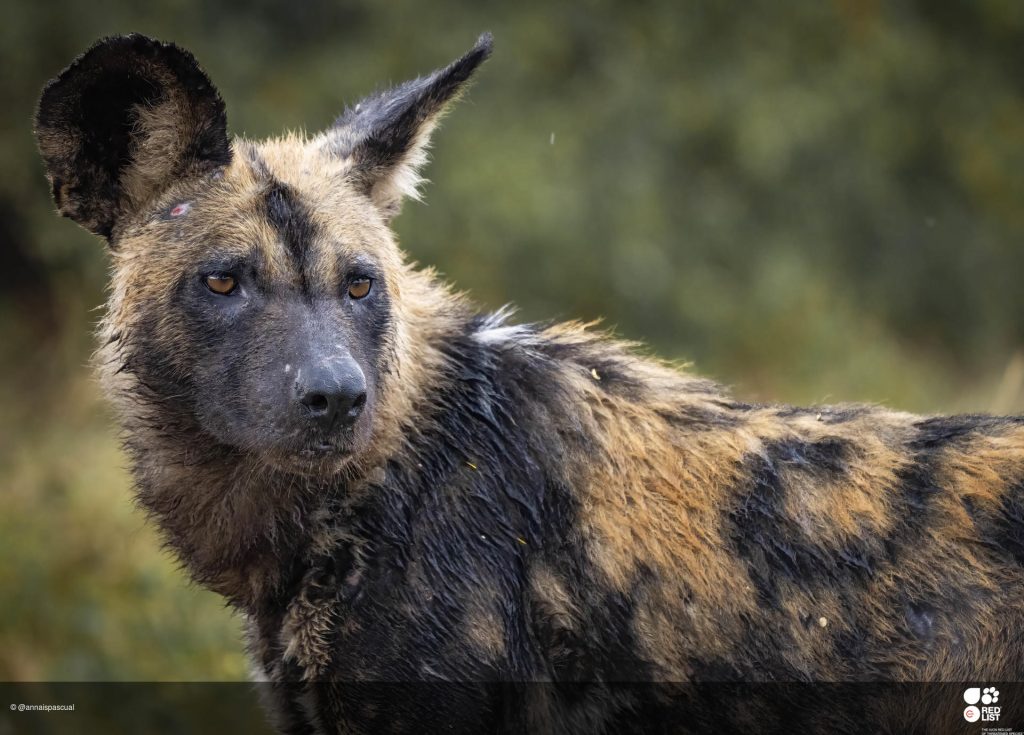
Photo 1. Lycaon pictus © by annaispascual from IUCN
By strengthening protection of these rapidly declining forests, the program contributes to both biodiversity conservation and long-term climate resilience.
Colombia: Protecting Biodiversity in the Chocó Rainforest
The COCOMACIA REDD+ Program operates within the Chocó region of Colombia, one of the most biodiverse tropical forest regions on Earth. These forests provide critical habitat for many globally threatened and endemic species found nowhere else in the world.
Species supported through the program include Brown-headed Spider Monkey (Ateles fusciceps, EN), Baudo Guan (Penelope ortoni, EN), Cocorro Frog (Oophaga andresi, EN), Cottontop Tamarin (Saguinus oedipus, EN), and Lehmann’s Poison Dart Frog (Oophaga lehmanni, CR). The program also helps conserve endangered endemic tree species including Cariniana pyriformis (EN), Dussia lehmannii (EN), Orphanodendron bernalii (EN), and Huberodendron patinoi (CR), which are threatened by habitat fragmentation, illegal logging, and land conversion.
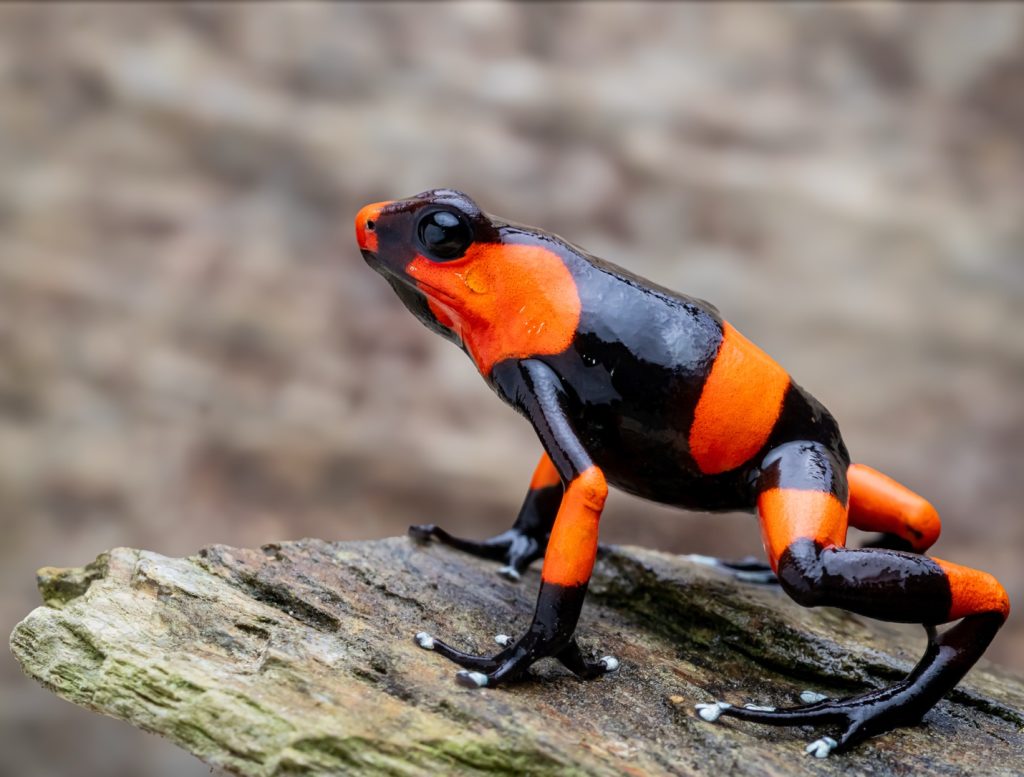
Photo 2. Oophaga lehmanni by Antony from Adobe Stock
Through forest conservation, habitat protection, and community-based stewardship, the program helps maintain ecological corridors that are essential for wildlife survival in the Chocó rainforest. The program also strengthens community environmental patrols through the use of the SMART app, helping monitor forest areas and reduce poaching and other threats to endangered species and their habitats.
Mexico: Preserving Forest Connectivity in Calakmul
Within Mexico’s Calakmul Biosphere Reserve, the Amigos de Calakmul Forestry Program helps conserve one of the largest remaining continuous tropical forests in Mesoamerica. This globally important landscape supports a rich diversity of wildlife and serves as a critical ecological corridor for endangered species.
Program activities help protect habitat for Baird’s Tapir (Tapirus bairdii, EN), Yucatan Black Howler Monkey (Alouatta pigra, EN), and Geoffroy’s Spider Monkey (Ateles geoffroyi, EN). Camera trap monitoring and biodiversity assessments continue to confirm the ecological importance of the region and the presence of key wildlife populations.
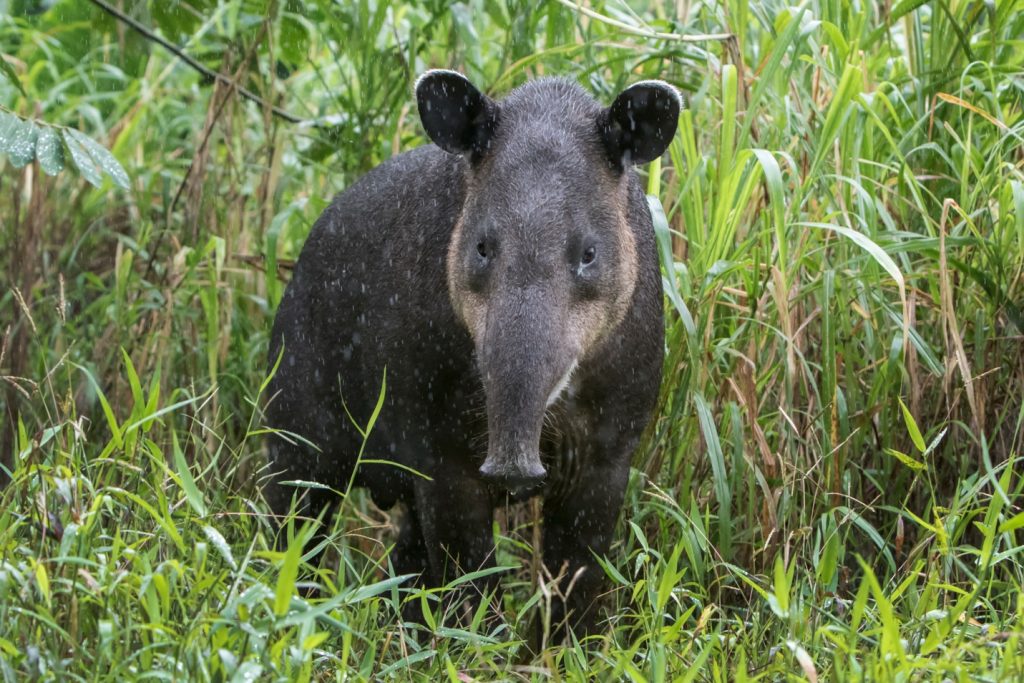
Photo 3. Tapirus bairdii by Mark Kostich from Adobe Stock.
By supporting forest conservation, community patrols, and sustainable land management, the program helps maintain habitat connectivity and strengthen long-term ecosystem health.
Guinea-Bissau: Supporting Biodiversity Across Forests and Wetlands
Guinea-Bissau’s forests, mangroves, and coastal wetlands contain diverse ecosystems that support many rare and endangered species. However, these landscapes face increasing pressure from deforestation, agricultural expansion, habitat degradation, and unsustainable resource extraction.
The Guinea-Bissau National Nature-Based Solution Program is designed to help conserve these ecosystems and protect species including the critically endangered Western Chimpanzee (Pan troglodytes verus, CR) and endangered African Mesquite Tree (Prosopis africanus, EN). Protected areas and ecological corridors established within the program help improve habitat connectivity, wildlife movement, and long-term biodiversity resilience.
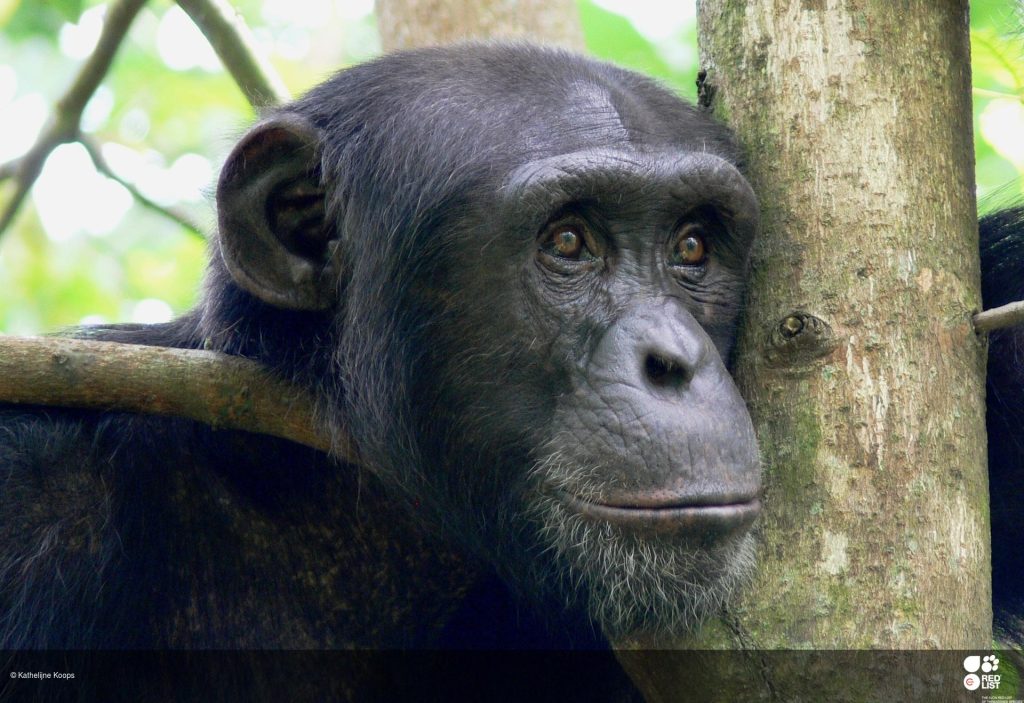
Photo 4. Pan troglodytes ssp. verus © Kathelijne Koops from IUCN
The program’s mangrove and wetland ecosystems support endangered species while also serving as critical blue carbon sinks that protect coastlines, fisheries, and local livelihoods.