
In August 2025, Malawi passed the Carbon Market Framework, and in September the government changed following the national election. The new government has not wasted any time in operationalizing the new framework, including meeting with key carbon developers active in the country.
The Kulera REDD+ Program partners, including the Department of National Parks and Wildlife (DNPW), the Nyika-Vwaza Association (NVA), the Nkhotakota Wildlife Reserve Association (NAWIRA), and Terra Global, met with the Honorable Minister of Natural Resources and Climate Change over a working dinner to exchange information and discuss opportunities for Malawi to attract private sector climate finance to nature-based solutions (NbS) projects. The discussions also included representatives from the Ministry of Natural Resources and Climate Change, the Tourism Department, the Environmental Affairs Department, and the Department of National Parks and Wildlife, participated in the discussions, demonstrating growing inter-ministerial coordination.
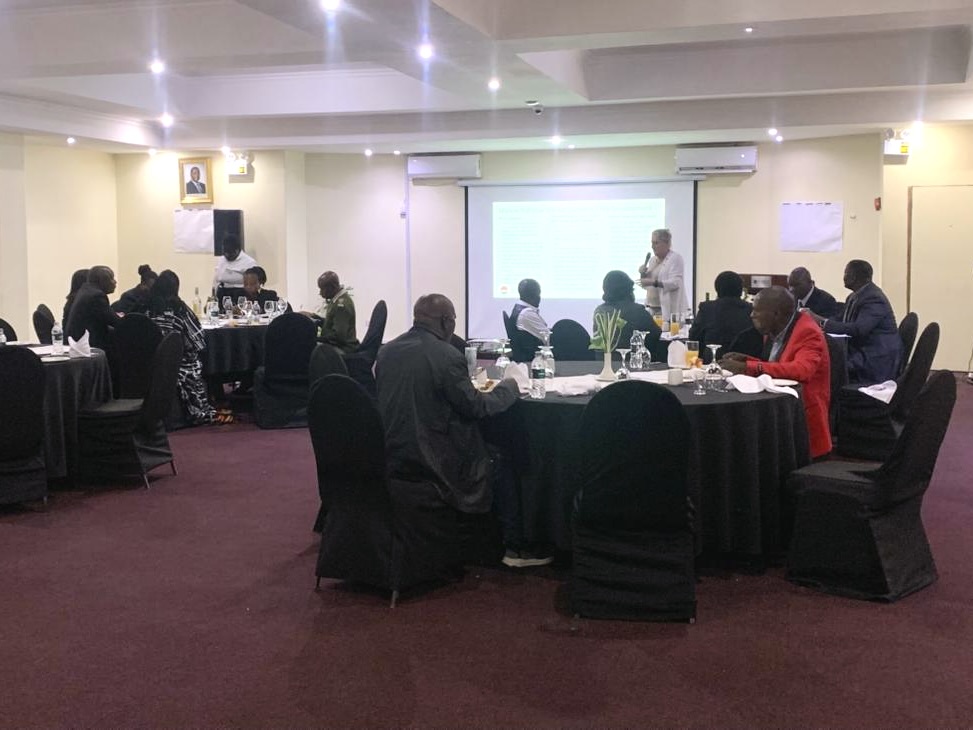
Terra Global Capital’s Founder, CIO, and CEO Leslie Durschinger, joined by Terra Global’s local project coordinators, DNPW leadership, and the Executive Directors of NVA and NAWIRA, met with the government. “We have worked in Malawi since 2009 and have supported the only REDD+ Program in the country, which has delivered significant climate, community and biodiversity outcomes for the country. The passage of the Carbon Market Framework and the government’s commitment to engagement show the importance Malawi places on attracting climate finance,” said Leslie Durschinger.
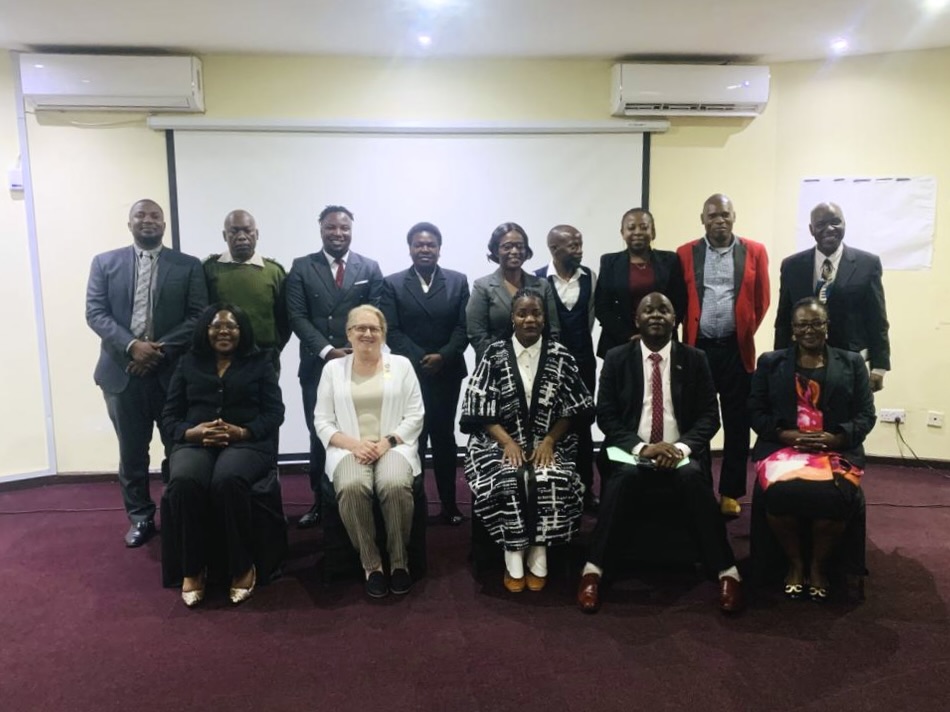
The meeting formed part of the Government of Malawi’s ongoing engagement with carbon project developers following the launch of the country’s Carbon Market Framework to support carbon market growth, conservation, and climate finance.
Throughout the meeting, participants shared the experience of the Kulera Landscape REDD+ Program for Co-Managed Protected Areas, Malawi’s longest-running carbon initiative. Operating since 2009, the program is implemented through a partnership among DNPW, NVA, NAWIRA, and Terra Global, and has supported forest conservation, protected area management, and community development across northern and central Malawi.
Terra Global’s Malawi team, including Senior Programs Coordinator Alphius Lipiya and Lead Programs Coordinator Frank Chimpango, participated in the discussions and shared perspectives from years of experience supporting on-the-ground implementation covering three key protected areas with more than 300,000 people in the 5 km zone outside the protected areas. Drawing on more than sixteen years of implementation, the conversation highlighted the value of long-term partnerships in supporting conservation, community development, and climate finance. Participants also highlighted how the program has generated more than 3.3 million Verified Carbon Units (VCUs) and mobilized over USD 22 million in climate finance to support forest conservation, protected area management, and community development in Malawi.
Community benefits and local livelihoods were a central focus of the meeting. Participants shared examples of how nature-based climate finance has supported livelihood programs, capacity building, conservation activities, and protected area management. Initiatives discussed included sustainable agriculture, beekeeping, fish farming, livestock pass-on programs, and community-led conservation efforts.
Participants also discussed international opportunities for Malawi to attract climate finance through Article 6 and corporate buyers, as well as the importance of establishing the technical and operational capacity needed to support future carbon projects, attract additional climate finance, and ensure that community benefits remain central to Malawi’s carbon market growth. Officials reaffirmed their commitment to continuing dialogue with project developers alongside the growing inter-ministerial coordination that Malawi needs to operationalize the Carbon Market Framework and generate valuable foreign currency through the monetization of carbon credits. As implementation of Malawi’s Carbon Market Framework continues, collaboration across government, project developers, and communities will remain important to supporting long-term climate finance, conservation, and community development objectives of the country.